
 E-Paper



PMRDA simplifies construction permission process, reduces documentation
The number of documents necessary for development permissions has been reduced from 41 to 20, while for an occupancy certificate, permissions have been brought down to 24 from earlier 28

 Prefer HTon Google


The Pune Metropolitan Region Development Authority (PMRDA) has simplified the process of obtaining construction permits by lowering the number of required documents from 133 to 89.
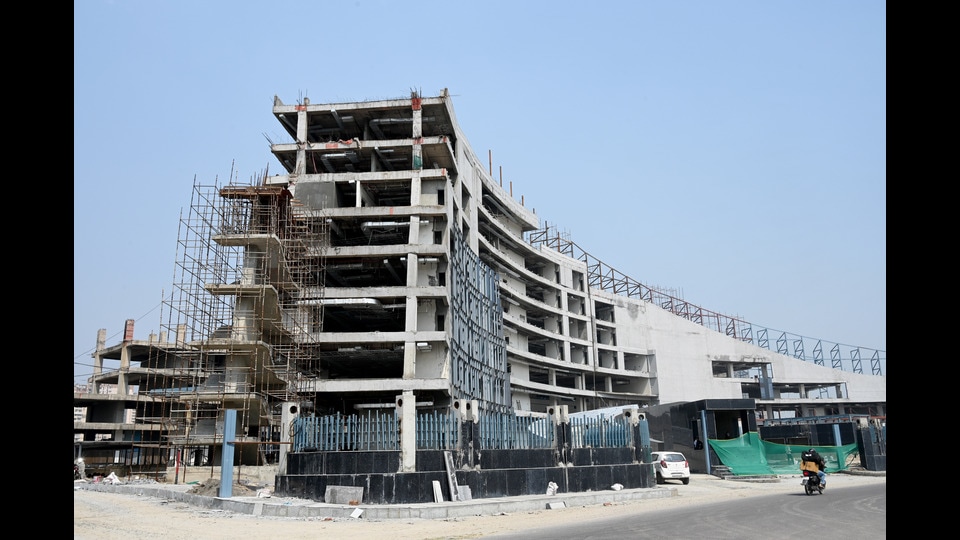
The number of documents necessary for development permissions has been reduced from 41 to 20, while for an occupancy certificate, permissions have been brought down to 24 from earlier 28. Transfer Development Rights (TDR) and Floor Space Index (FSI) generation and use now require only 17 documents as opposed to the previous 22. The number of documents necessary for plinth checking certifications has been cut down from 11 to six.
On July 26, Sunil Marole PMRDA’s joint director of planning issued an order instructing all departments to follow the new procedures.
The step has been taken to expedite various PMRDA services like development permissions, plinth checking certificates, occupancy certificates, TDR generation and utilisation, sky-sign/hoarding permissions, Gunthewari regularisation, IOD, site elevation certificates, and renewal of commencement certificates. Licensed architects or registered engineers submit these Applications.
Commenting on the development, Marole said that reducing the number of required documents will help avoid delays.
“Previously, the excessive number of required documents caused delays and inconveniences for citizens. To improve operations and follow the First In – First Out principle, PMRDA has simplified the process as part of its ‘ease of doing business’ policy,” he said.
All building permission files will now be checked by the assistant town planner/planning assistant for completeness. The relevant officer will calculate technical scrutiny fees upfront to ensure full payment is made before accepting the case.
Marole also mentioned that cases will be managed through a software system to ensure fair and timely processing.
Procedural improvements will be communicated to architects and technical advisors via email, WhatsApp groups, and PMRDA’s official website. New scrutiny formats for all case types have been introduced to facilitate accurate and timely resolution.


