
 E-Paper



Collector Deshmukh asks structural audit of risky structures
Deshmukh directed officials to be prepared with rescue teams, review the availability of necessary equipment and machinery, and identify disaster-prone locations


Pune
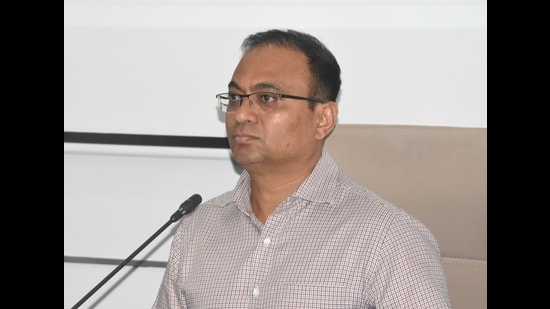
On Saturday, the district disaster management authorities attended a pre-monsoon review meeting, where district collector Rajesh Deshmukh asked all departments to be on their toes for any disaster situation while carrying out structural audits of risky structures and buildings.
Deshmukh directed officials to be prepared with rescue teams, review the availability of necessary equipment and machinery, and identify disaster-prone locations.
“Before the monsoon, structural audits of older buildings and other structures will be performed.” According to a press statement released by Deshmukh’s office.
“Tourist destinations must be well-equipped with all precautionary measures in case of overcrowding or any subsequent problem caused by it.”
According to Deshmukh, the district includes more than 80 flood-prone zones and 22 landslide-prone villages.
Aside from this, decrepit palaces and older residential buildings in Pune and Pimpri-Chinchwad have been identified as a source of worry.
Even though EL Nino, which impacts weather patterns, is expected this year, places in the rain shadow zone had considerable rainfall in a single day last year. Officials stated in the conference that due to these circumstances, proper precautions should be done for any upcoming calamity.
Bridge structural examinations and hospital fire audits are to be carried out. The transport Department must compile a list of necessary apparatus and equipment in the event of a disaster.
To avert road flooding, both the Zilla Parishad and the Municipal Corporation must expedite and complete drainage work. The ponds should be cleaned of pollution. Another critical element is for the Water Resources Department to arrange the dam water release. Before discharging the water, arrangements should be established to quickly relay the information.
Deshmukh further stated that the supply department should maintain sufficient grain stores in hilly and distant areas. In the event of a disaster, Mahavitaran is commanded to increase the power supply.
The information must be entered into the computerised system ‘Incident Response System’ (IRS) as soon as an incident happens, as directed by the Central Government. This is critical because the compensation payment will be automatically put into bank accounts via the Direct Benefit Transfer (DBT) method.
More than 500 disaster friends (rescue/helpers) in the district have received up-to-date disaster management training, and they will be of great assistance in the event of a disaster.
The district collector was joined in the meeting by Pune Rural Superintendent of Police (SP) Ankit Goyal, NDRF commandant Santosh Bahadur Singh, Pimpri-Chinchwad Municipal Corporation (PCMC) Additional Commissioner Jitendra Wagh, Resident Deputy Collector Jyoti Kadam and District Disaster Management Officer Vitthal Banote.


