
 E-Paper



Pune records sharp rise in minimum temperature
According to the India Meteorological Department (IMD), the NDA station registered 13.8°C on Tuesday, while Haveli recorded 13.9°C, an increase of nearly six degrees within four days.

 Prefer HTon Google


Pune: Just days after recording the season’s lowest temperatures, Pune saw a sharp rise in minimum temperatures on Tuesday, January 13, on the eve of Makar Sankranti—a festival traditionally associated with the coldest phase of winter. This year, however, residents experienced noticeably warmer nights, marking a significant departure from the usual pattern. Parts of the city also recorded light evening rainfall.
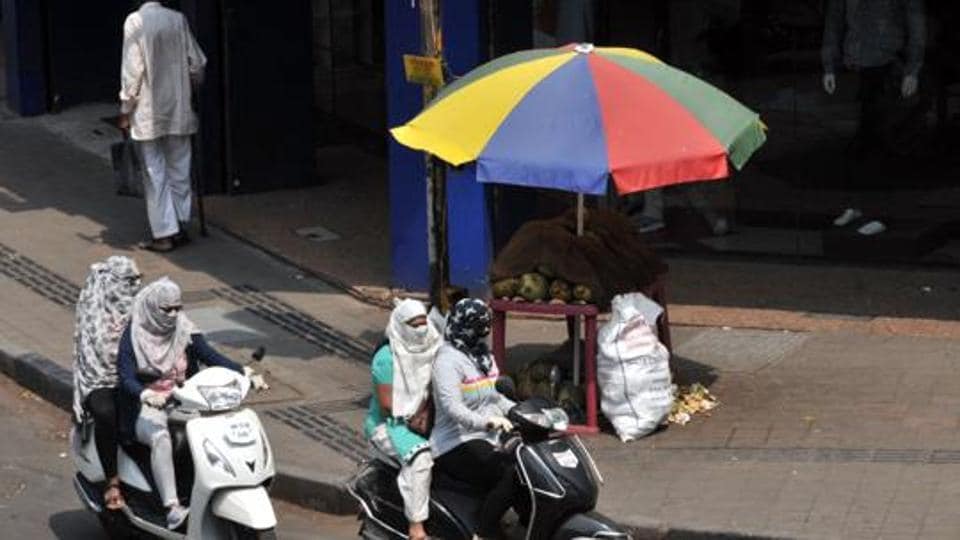
Only four days earlier, on January 9, the NDA and Haveli areas had recorded the season’s lowest minimum temperature of 6.9°C. Since then, the mercury has climbed steadily. According to the India Meteorological Department (IMD), the NDA station registered 13.8°C on Tuesday, while Haveli recorded 13.9°C, an increase of nearly six degrees within four days.
The Shivajinagar station also showed a marked rise, with the minimum temperature at 14.8°C, up from 10.9°C the previous day. Other parts of Pune reported even higher minimums: Magarpatta at 19.7°C, Wadgaon Sheri at 19.5°C, and Chinchwad at 19.1°C, well above typical mid-January temperatures.
Several other parts of Pune reported even higher minimum temperatures. Magarpatta recorded the warmest night temperature in the city at 19.7 degrees Celsius, followed closely by Wadgaonsheri at 19.5 degrees Celsius and Chinchwad at 19.1 degrees Celsius. These readings are significantly above what is typically expected in mid-January, especially during the Makar Sankranti period.
Weather experts attribute the warmer nights to changing atmospheric conditions. In a social media post on January 12, Anupam Kashyapi, former head of IMD Pune’s forecasting division, explained that medium- to high-level clouds over south-central Maharashtra, including Pune, acted like a blanket, trapping heat near the surface.
“A partial eastward shift of the anticyclonic wind system allowed northerly winds via the Bay of Bengal, increasing moisture and contributing to the rise in minimum temperatures,” he noted.
Kashyapi also added that a western disturbance is expected around January 19–20, potentially bringing cloudy skies and light rainfall to north and central India, as well as parts of northeast Maharashtra, including Vidarbha. Meanwhile, Pune is unlikely to witness single-digit minimum temperatures at least until January 19, making this year’s Makar Sankranti unusually warm.
Another weather expert said Pune is unlikely to experience single-digit minimum temperatures at least until January 19, making this year’s Makar Sankranti unusually warm for the city.
Some parts of the city, including Lohegaon, Dhayari, and Katraj, experienced brief spells of drizzle on Tuesday evening, adding to the unseasonal feel. According to the IMD, Pune is likely to enjoy clear skies over the next few days, though temperatures are expected to remain on the higher side, keeping the winter chill subdued immediately after Makar Sankranti.


