
 E-Paper



Slam dunk: Staying on in the off-season is key to NBA success
The first objective of offseason basketball training in a professional league as competitive and long as the NBA is for players to rest from the mental and physical fatigue of the season


In preparation for a professional basketball season, a substantial portion of a comprehensive training programme will incorporate focus on physical training.
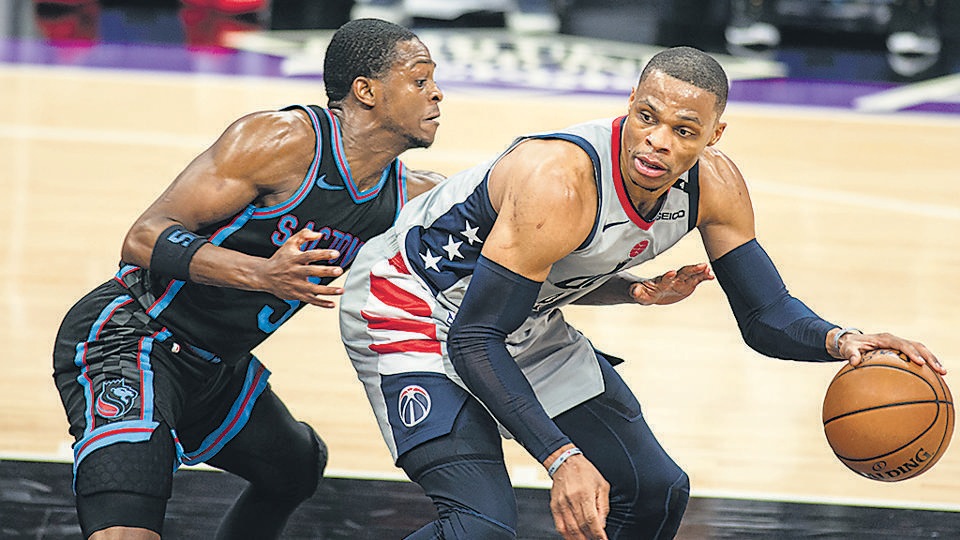
With a professional basketball season in the NBA being approximately 80 – 100 games each season, over eight months, this usually leaves an athlete a window of three-four months in the offseason to prepare themselves for the rigors of the competitive season.
What are the primary components of offseason basketball training? How does it differ from physical training for basketball during the season?
The first objective of offseason basketball training in a professional league as competitive and long as the NBA is for players to rest from the mental and physical fatigue of the season.
While different athletes have a large variation in the amount of rest time they need to recuperate from the demands of the season, the usual duration of this is from one-four weeks.
During this time, athletes will not engage in any rigorous physical activity, due primarily to the fact that athletes in season are in a constant state of nervous system fatigue.
To reach a steady physical state of not being “overtrained” this period of down time is essential for the majority of athletes who have not yet developed the resistance to fatigue that gets built up over many years of playing in the NBA schedule.
After this brief rest period, an athlete will usually focus exclusively on rebuilding their body physically in the initial part of the off-season. This could involve a few weeks and sessions of cross-training such as swimming, biking, boxing, running on the track, martial arts or yoga. The purpose of this training is to reintroduce a gradual physical load to the body.
Additionally, it keeps athletes learning various movements that are general and not specific to basketball. This allows for less risk on overuse injuries from all the repetitive motions due to basketball.
General weightlifting exercises are also reintroduced to the training programme at this time, as well as an increased focus on flexibility and balance.
After a few weeks of cross-training, athletes will dive into the main part of their offseason programme. They might pick a select number of technical skills that they want to improve at in basketball games and work on those skills in an isolated setting, improving their confidence in those skills before trying to apply them to game situations.
From a physical standpoint, athletes will use this six-week period to build up their body physically with a focus on increasing lean muscle mass, maximum strength levels and also doing the relevant amount of flexibility work necessary to improve their positioning and movement on the basketball court.
By this time period, there is usually about three-four weeks left till the start of basketball training camp and the season again. The focus shifts from building up the body to fine tuning all of the basketball skills in a setting that requires more game action.
An athlete will likely have improved confidence from honing their technical skills, now transfers over as the athlete re-introduces their body to the decision-making and physical qualities required to implement those newly learned skills into an actual an game.
The focus on weight training may dial back considerably, but will still be maintained consistently in preparation for training camp to ensure athlete strength levels are high. By planning out the offseason in this cyclical fashion, an athlete can ensure that they are entering the competitive season and training camp in peak physical condition.


