
 E-Paper



State government instructs PMC and PCMC to use bio enzymes to curb growth of water hyacinths
Water hyacinths block the flow of fresh water, and also result in an ideal spot for the breeding of mosquitoes


PUNE As summer approaches,advocate Rajesh More, who lives along the Mutha river banks in Shivajinagar prepares to face a deadly problem- water hyacinths. The beautiful looking water hyacinths begin to outgrow the other flora in water bodies and overtake the fauna leading to suffocation. This is just the beginning of the many problems that local residents begin to face.
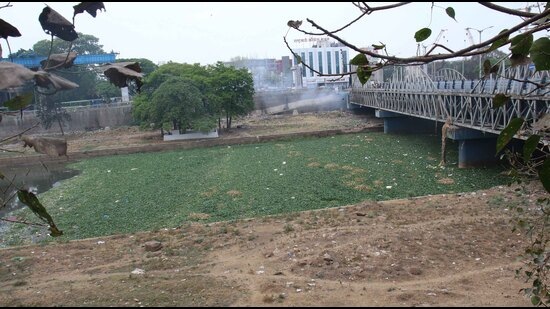
As summer begins, the flow of water is stagnant and the concentration of pollution in the water bodies increases which further stimulates the growth of these water weeds. In addition to blocking the flow of fresh water, the plants also result in an ideal spot for the breeding of mosquitoes, the rotting of the leaves result in foul smell and suffocate fishes in the lakes which eventually die due to hypoxia. Rajesh More is not the only one, many in the city living along lakes and rivers in the city face this seasonal problem every year.
During state assembly session on Tuesday, Shivajinagar MLA Siddharth Shirole raised the issue of water hyacinths. “For years now the PMC simply removes the water hyacinths physically which does not work and is very expensive. There is a corruption nexus as well between contractors and officials when it comes to using spider machines to remove the hyacinths. The state government’s experiment on Ulhas river has proven to be effective and the scientist who has worked on bio enzymes has given a guarantee of three years and it costs about 1/3 rd of the actual cost of physically removing the water hyacinths,” said Shirole.
The corruption charges levelled by Shirole also found resonance among many in the city, though PMC officials said main cause of hyacinth is sewage concentration is high. Jagdish Khanore, superintendent, PMC solid waste management department said, “The state government has instructed us to start using bio enzymes to resolve the water hyacinth issue. We will soon issue a contract for the same. Water hyacinths are an issue in summer because the sewage concentration is high as there is no supply of fresh water to the water bodies. The nutrients in the sewage facilitate the growth of hyacinths which provides nutrients to water weeds. In the monsoon the hyacinths simply flow away. The water hyacinths clog the stream which leads to mosquito menace followed by diseases like dengue and chikungunya.”
The PMC has last week laid foundation stone for setting up 11 sewage treatment plants on Mula and Mutha river under river rejuvenation to reduce water pollution for which Japanese agency JICA is funding.
“As a permanent solution the recently approved JICA (river rejuvenation and pollution abatement) project will come as a huge relief. The 11 new sewage treatment plants will contain the growth of the hyacinths. Soon, we will also start using the bio enzymes which will not only curb the growth of water hyacinths but will also not affect the aquatic life in the water body,” said Khanore.
The civic body begins clearing the water hyacinths from December and as of March 8, the civic body has cleared over 144,000 square metres of hyacinths from four locations; Juna bazar, Pashan lake, Katraj lake and Holkar bridge.


