Cooperative sugar mills in Maharashtra have urged the government to provide financial assistance for converting their distilleries into multi-feed facilities, enabling them to use maize and other grains for ethanol production beyond the sugarcane crushing season.
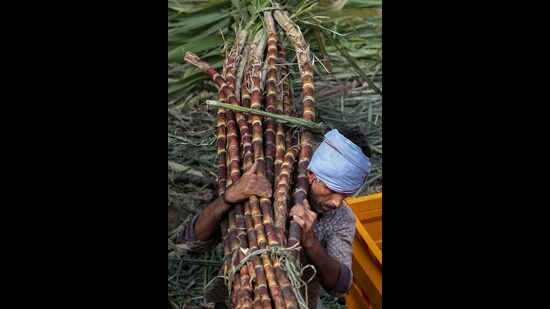
Most cooperative ethanol projects are sugarcane-based, limiting production to the crushing season. However, states with multi-feed distilleries are producing ethanol year-round using alternative grains.
To address this challenge, officials and experts from the cooperative sector across the country convened for a brainstorming session in Pune last week. The meeting, chaired by Harshvardhan Patil, president of the National Federation of Cooperative Sugar Factories (NFCSF), was attended by managing directors of cooperative sugar factories, state sugar federations, and senior officials, including Sugar commissioner Dr Kunal Khemnar and representatives from the Ministry of Cooperation and NCDC.
The key agenda was exploring ways to upgrade distilleries to multi-feed operations. Experts highlighted that adopting maize and other grains as feedstock would allow sugar factories to operate distilleries throughout the year, boosting ethanol production and ensuring better financial viability.
Commenting about the same, Khemnar said, “There are over 200 cooperative sugar factories in the country out of which 63 have distilleries producing fuel grade ethanol . However , cooperative sugar mills contribute about 13 per cent in ethanol supply. Their lower contribution in ethanol production in comparison with private sugar mills, is due to insufficient availability of cane based raw materials.”
{{/usCountry}}Commenting about the same, Khemnar said, “There are over 200 cooperative sugar factories in the country out of which 63 have distilleries producing fuel grade ethanol . However , cooperative sugar mills contribute about 13 per cent in ethanol supply. Their lower contribution in ethanol production in comparison with private sugar mills, is due to insufficient availability of cane based raw materials.”
{{/usCountry}}India has over 200 cooperative sugar factories, with 63 operating distilleries. However, their contribution to ethanol production remains around 13%, lagging behind private mills due to the limited availability of cane-based raw materials.
The crushing season for cooperative mills typically ends by March-April. Shifting to grains like maize — grown twice a year and requiring less water—would enable year-round ethanol production. The government’s recent increase in the minimum support price for maize makes it a viable alternative. Oil marketing companies have also shown interest in entering long-term agreements with cooperative mills, prioritising ethanol procurement from their distilleries.
The central government recently reduced the price of rice for ethanol producers from ₹28 to ₹22 per kg. With most cooperative ethanol plants being sugarcane-based, this move is prompting them to consider upgrades to maximize production under such schemes.