
 E-Paper



Taste of Life: How the avala tree took root in India’s cultural and spiritual heritage
What began as divine refuge for gods beneath a sacred tree became, over centuries, a celebration of community, nature, and the simple pleasure of sharing a meal outdoors


A picnic is an act shaped by ideas about nature and culture, food and taste, beauty and ethics, and community and solitude. To picnic is not just to eat certain foods, but to enjoy them in a chosen setting that feels aesthetically pleasing, and to share that meal in a way shaped by particular social norms.
In November 1926, a group of female volunteers from Mahila Seva Mandal, a subsidiary of the Social Service League of Bombay, visited Pune. During their stay, they toured several girls’ schools and interacted with the women employees at Sassoon Hospital. They stayed at the “Sevasadan” hostel.
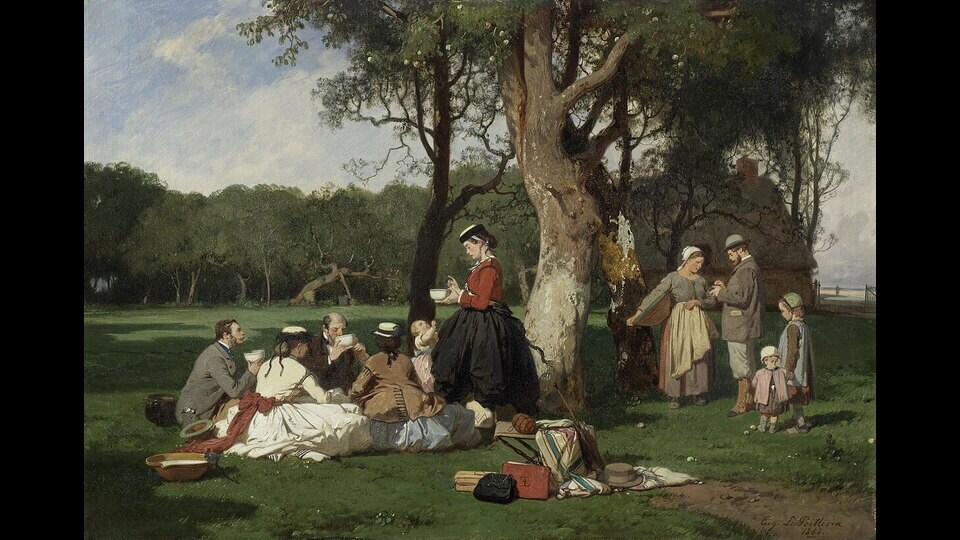
At the end of their Pune visit, these volunteers arranged an “Avalibhojan”, an outdoor feast where men, women, and children sat under an avala (Indian gooseberry) tree and had their meal, for seventy-eight children from working-class families in the city. The children were taken by bullock carts early one morning to a garden in Kothrud where there was a grove of avala trees. Leaf plates were laid out, and the children were served a simple yet festive meal of “bundi laddoos”, bhakari, and vegetable curry. They sang songs, played games, and spent the day in carefree enjoyment before returning home in the evening. For these children, it was their first picnic. Volunteers from “Sevasadan” , the women’s social and training institute, participated wholeheartedly in the event.
On any day between Kartik Shuddha Dashami and the full moon, several families in Maharashtra, mostly Brahmins, traditionally gathered under an avala tree to cook a meal and share it with friends and family. Avala chutney or avala pickle were usually part of the meal. Some women cooked “puran-poli” with avala. Andhra Pradesh observed “Karthika Vanabhojanalu”, a similar practice of dining beneath the avala tree.
In parts of Maharashtra and Karnataka, temples observing this custom would ceremonially place the deity’s idol in a palanquin and bring it to the avala tree. There, a “mahanaivedya”, or grand offering, was made that was followed by a community meal. By evening, the deity would return to the temple in a festive procession.
The avala tree had long been woven into India’s cultural and spiritual fabric. The “Kartik Mahatmya Purana” recommended its worship. Lord Krishna wore a necklace of avala berries, and with tamarind and sugarcane, avala was offered to Krishna in October – November when he married the Tulsi plant. Chips of its wood were once believed to purify water, and its timber was used in well curbs. In the Pune district, avala trees grew wild on hillsides and were also cultivated in gardens and temple grounds. Their fruit, ripening in the cool months, was sharply sour and often preserved in pickles. When dried into avalkathi, it was valued as a remedy for bilious ailments.
A well-known legend explains the sacredness of the avala tree. When the demon Mridumanya drove the gods out of heaven, they sought refuge on earth beneath this very tree. From then on, the avala came to be revered. On Kartik Pournima, it was worshipped with a sacred thread wound around its trunk, a coconut offering, rows of lamps, and heartfelt prayers. After the ritual, small bowls of ghee were donated, and a married couple was invited to partake of an elaborate meal.
Pune was once dotted with orchards and gardens of prominent noble families. The Mehendales, Khasagiwales, and Rastes owned avala groves where “Avalibhojan” was celebrated with striking splendour. In Sangli, the princely ruler Chintamanrao Patwardhan hosted the feast with great pomp in his own orchard. The grandest celebrations of all were said to take place in Baroda, where Maharaja Sayajirao hosted a feast for hundreds of guests.
These celebrations impressed the newly emerging upper-caste middle-class of the late nineteenth-century Pune that looked at the ritual of “Avalibhojan” as an assertion of its refined tastes. Even those who did not know its religious origins, or did not particularly observe the rituals, embraced it as an opportunity to step out of the city with family and friends. It became, in essence, a beloved annual picnic.
Beyond Vitthalwadi once stood a thriving grove of avala trees where these feasts were held. Before Reay Market, today’s Mahatma Phule Mandai, was built, the area was home to Chakaley Garden. People gathered there to celebrate Kojagiri and to hold “Avalibhojan”. It was also organised in Bhikardas’ garden.
Picnics were rooted in a history of aristocratic leisure and refined social gatherings, and Indians were not alien to the concept of picnicking. Ancient Indian texts are rich with descriptions of outdoor banquets. The “Harivamsa” narrates a lavish picnic attended by Krishna, Balram, and Arjuna. The “Kamasutra” describes the “Udyan Yatra”, a garden picnic where elite men and the courtesans enjoyed fine food served course after course.
Sanskrit plays by Kalidasa and Bhaas mention hunting feasts. The Mughals, too, were known for their hunting picnics. Several Mughal emperors were known to organise grand picnics in the gardens they had lovingly built and nurtured.
In modern Northern India, during the month of Shravan, women gathered by the riverside or in a nearby garden to swing on “jhulas”, sing songs of rain, and share the festive snacks they had brought along. “Choruibhati” was a traditional Bengali picnic where families and friends would gather, with each person bringing one dish to share.
Beyond India, too, dining in nature held a cultural charm. Victorian-era picnics were immortalised by Dickens, Trollope, and Jane Austen, and eating outdoors became a symbol of leisure, refinement, and communal joy.
In Mumbai, the Social Service League transformed “Avalibhojan” into a community initiative. Once a year, underprivileged children were treated to a wholesome meal, fresh air, and sunlight. This experience was intended to nurture in them a love of nature and “sophistication”.
The League, founded in 1911 by Narayan Malhar Joshi and supported generously by Parsi philanthropists and industrialists, emerged from the “Holika Sammelan” movement, which aimed to eliminate “obscenity” from public celebrations. Its mission was broad: to study social problems, shape public opinion, and improve the moral, physical, and economic well-being of working people. Promoting education, sanitation and combating social ills were central to its work. It established night schools, dispensaries and hospitals, co-operative housing, insurance schemes, and recreational facilities such as social clubs, gymnasiums, and drama halls.
In 1913, the League initiated a project to encourage children of mill-workers to appreciate and enjoy nature and art. As part of its “civilising mission”, it thought of “Avalibhojan” as an ideal way to introduce the uplifting and communal spirit of the picnic to the children. By doing so, the league transformed a medieval ritual into a modern social ideal. It secularised the feast and used it as an important tool to inculcate “elegance and urbanity” among the children.
The League brought “Avalibhojan” for workers’ children to Pune. It continued to be held every year for at least a decade. Each year, volunteers travelled from Mumbai to Pune, and with the support of “Sevasadan”, took the children to a picnic under the shade of avala trees. It became an eagerly awaited annual outing, offering them a rare day of joy and freedom.
Because of the Social Service League, the tradition of “Avalibhojan”, once limited to the upper and middle classes, reached working-class families and their children.
What began as divine refuge for gods beneath a sacred tree became, over centuries, a celebration of community, nature, and the simple pleasure of sharing a meal outdoors.


