The ‘Tuberculosis aftermath (TB Aftermath)’ study conducted by Johns Hopkins University, USA, and Dr DY Patil Medical College, Hospital & Research Centre (DPU), Pimpri in collaboration with National Tuberculosis Elimination Program (NTEP) found that TB patients and their family members face challenges and stigma even beyond TB cure, the officials said.
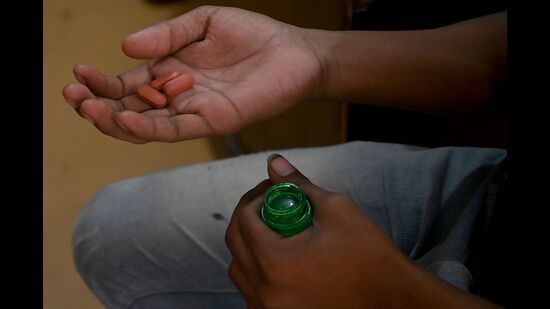
World Tuberculosis Day is observed on March 24.
With insufficient scientific information on which Active Case Finding (ACF) technique is more effective among TB survivors and their household contacts, the TB Aftermath project began in January 2021.
Under the programme 1,076 TB survivors’ post-treatment were included along with their household contact meticulously tracking them over 18 months. The study was conducted in six public tuberculosis units – 3 urban and 3 rural – PMC Hospital at Sahakarnagar, Yashwantrao Chavan Memorial Hospital (YCMH), Jijamata Hospital; and public healthcare centres in Paud, Maval and Khed.
Dr Prashant Bothe, city TB officer, Pune Municipal Corporation (PMC), said, the recommendations of the study are helpful to implement in the National Tuberculosis Elimination Program (NTEP).
“As per recommendations of the study, the IEC activities are planned and implemented to improve the outcome of the programme.”
{{/usCountry}}“As per recommendations of the study, the IEC activities are planned and implemented to improve the outcome of the programme.”
{{/usCountry}}The findings of the study will be presented at the World Union Lung Health Conference in 2025.
The ongoing TB Aftermath study has been conducted under the guidance of Dr Madhusudan Barthwal, professor and head department of pulmonary medicine at DPU and supervised by Dr AL Kakrani, director of Academic Collaborations & professor of Clinical Eminence has been pivotal in unravelling the complexities surrounding TB and its aftermath.
The study in collaboration with NTEP also compares two ACF strategies, actual home visits every 6 months and telephonic follow-up every 6 months.
Dr Barthwal said that initially critical issues such as post-TB-related stigma among survivors, pulmonary impairments in pulmonary TB survivors and hazardous alcohol use among active TB patients were found.
“TB-related stigma is considered to be the major issue faced by TB patients during their treatment duration. However, we found that some of the drivers of TB-related stigma extend beyond TB cure and cause issues for TB patients and their households.”
He, further, said, “We found that TB survivors prefer to hide their history as they feel it may affect their social status and reduce the marriage prospects of their own or their children. This impacts mainly girls and their parents as disclosure of TB history may create problems in getting married or affect married life. Though experienced stigma has reduced, self-stigma and perceived stigma was mainly observed among TB survivors,” he said.
Dr Kakrani suggested that post-TB-related stigma needs to be addressed effectively as it remains a threat for TB survivors, especially females. “Effective Information Education and Communication (IEC) material and strategies will help in reducing post-TB stigma. They should encompass issues beyond the clinical aspects of TB, mainly psychosocial and stigma related. As TB survivors are at higher risk of developing TB again, their uptake and adherence to TB services will improve, and will result in better outcomes,” said Kakrani.
The comprehensive findings of the study will be presented at the World Union Lung Health Conference in 2025 and help future strategies for managing TB and its ramifications, offering hope for improved outcomes and reduced burdens on affected individuals and communities.