
 E-Paper



‘Toxic workplace marked by pervasive sexual harassment’: Women's panel report on TCS-linked BPO case
As many as nine staffers of the BPO have accused eight senior colleagues of sexual abuse, harassment and hurting religious sentiments at the workplace.

 Prefer HTon Google


The four-member fact-finding team of the National Commission for Women (NCW) investigating allegations of sexual exploitation and religious coercion at the TCS-linked BPO in Nashik has termed the workplace’s environment as “deeply disturbing and toxic, marked by pervasive sexual harassment and abuse of authority”; and advised the management to “take appropriate measures to ensure strict compliance and statutory safeguards to protect the dignity and safety of women staffers at the workplace”.
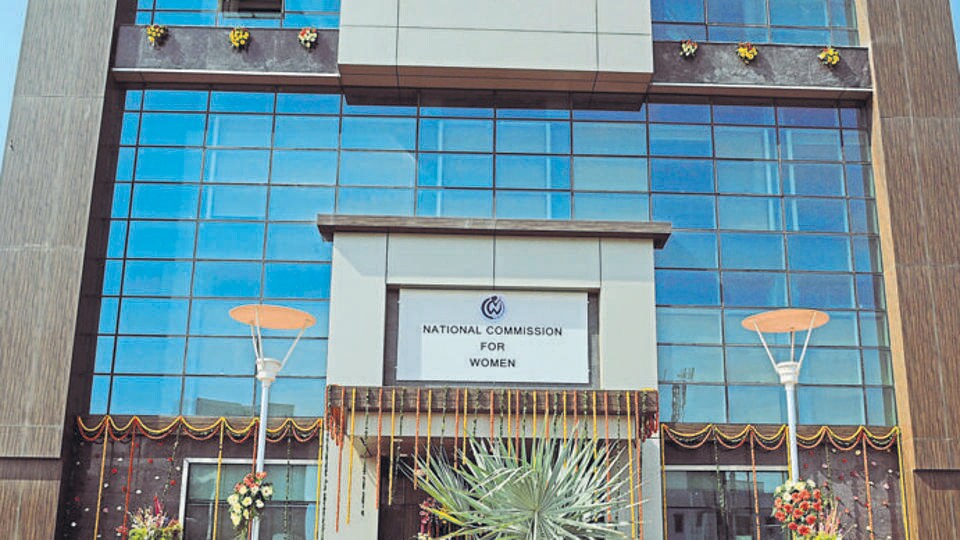
The team submitted its over 50-page report to NCW chairperson Vijaya Rahatkar on May 5, who presented it to chief minister Devendra Fadnavis on May 8. In a three-page statement issued on Monday, the commission shared the salient features of the panel’s observations and recommendations for TCS going forward.
The panel was set up on April 15. Following this, the members spent two days at the BPO starting April 18. During that time, they spoke with the complainants, members of the company’s internal committee (IC) set up under the POSH Act, Nashik city police and other key witnesses.
As many as nine staffers of the BPO have accused eight senior colleagues of sexual abuse, harassment and hurting religious sentiments at the workplace. Nashik police have arrested eight.
The statement underscored, “The accused had assumed effective control of the BPO in Nashik. They used to target young and vulnerable girls and harassed them sexually, emotionally and mentally. There were also attempts of molestation by the accused.”
Also Read: TCS case: Nida Khan remanded to 14 days of magisterial custody
The panel also found that the three accused in the case–Danish Sheikh, Tausif Attar and Raza Memon–controlled the BPO office, and that the “trio was protected by Ashwini Chainani, a senior female BPO staffer, who is also an accused in the case. Her silence and insensitivity endorsed the acts of the other accused.”
Interactions with the team members at the BPO also revealed, the panel alleged, that the accused would bully female colleagues by denigrating Hindu mythology, beliefs, traditions, and practices and impressed upon the women that Islam was a superior religion to Hinduism. “They created a coercive atmosphere through anti-religious commentary directed at the women employees,” said the statement, adding that the female employees felt humiliated and disrespected. It further added that “no female employee had the courage to raise their voice against the accused for fear of professional repercussions such as termination or transfer”.
Zero POSH compliance
The fact-finding team found that CCTVs installed at the workplace were non-functional and that there was no compliance with the POSH Act, despite there being a common internal committee (IC) under the Sexual Harassment of Women at Workplace (Prevention, Prohibition and Redressal) Act, 2013 (POSH Act) at the BPO’s Pune and Nashik offices.
The statement underscored that this was “a direct contravention of the act”.
“Not a single IC member ever visited the Nashik office to ensure compliance with the POSH Act. There were no boards displaying the names and contact details of the IC members; and no available literature informing employees about the fallout of non-compliance with the POSH Act.”
Course correction
In a series of recommendations, the panel advocated for strict compliance with the mandate of Sections 19, 25 and 26 of the POSH Act; failure to do so would invite strict action. It urged the IC to act proactively rather than remain a mere formal structure. It suggested an effective human resources mechanism and redressal system at the workplace.
“Precautions must be taken to ensure that lodging a complaint does not have an adverse impact on the complainant’s job. There must be a workplace safety mechanism and the CCTVs must function properly,” said the NCW statement quoting the panel.
It also suggested that the local police take recourse to the Witness Protection Act, 2017 to protect all complainants and witnesses.
While a TCS spokesperson was unavailable for a comment, highly placed sources in the company denied the NCW’s claims about non-compliance with the POSH Act.
“All the employees in the Nashik BPO had undergone POSH training which also made them aware of the mechanism to file a complaint. This training was mandatory. The posters displaying the names and contact details of IC members and even external members were displayed in the office. The CCTV cameras in the office were also operational,” said the source.
Also Read: Odisha govt asks colleges, varsities to constitute internal committees under POSH Act
Earlier, in a statement issued by K Krithivasan, CEO and MD, TCS, on April 17, he had said that while detailed reviews were still underway, “a preliminary review of the systems and records pertaining to the Nashik unit indicates that we have not received any complaints of the nature that are being alleged on either our ethics or POSH channels”.
(With inputs by Mayura Janwalkar)


