Central Railway has adopted an eco-friendly bioengineering solution using vetiver grass to tackle soil erosion and improve slope stability in vulnerable ghat sections, aiming to ensure safer and uninterrupted train operations during the monsoon.
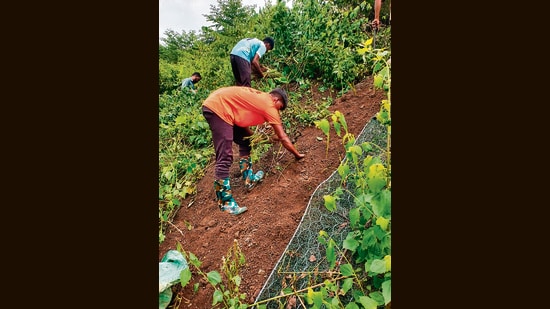
According to railway officials, the Bhor Ghat between Karjat and Lonavla and the Thal Ghat between Kasara and Igatpuri are prone to soil erosion, surface runoff, boulder falls, and shallow landslides during heavy rains. Such incidents can threaten railway infrastructure and train operations.
To address the problem, Central Railway is exploring the large-scale use of vetiver grass, scientifically known as Chrysopogon zizanioides, as a natural method of stabilising slopes and embankments.
Pilot plantation work has already been carried out over 5,300 square metres in the South-East Ghat section. Of this, vetiver has been planted over 1,050 square metres along the UP line side between Khandala and Monkey Hill at Km 122/0-122/15. Another plantation covering 4,250 square metres has been undertaken along the MID line side between Thakurwadi Cabin and Palasdhari at Km 106/600-700.
“Vetiver is considered an effective bioengineering plant because of its dense and predominantly vertical root system. Its roots can grow to a depth of around 3 to 4 metres within 12 to 24 months, creating a strong fibrous network that binds the soil and reinforces slopes. According to Central Railway, this can increase soil resistance by approximately 30 to 40 per cent,” said Hemant Kumar Behera, Pune railway division spokesperson.
{{/usCountry}}“Vetiver is considered an effective bioengineering plant because of its dense and predominantly vertical root system. Its roots can grow to a depth of around 3 to 4 metres within 12 to 24 months, creating a strong fibrous network that binds the soil and reinforces slopes. According to Central Railway, this can increase soil resistance by approximately 30 to 40 per cent,” said Hemant Kumar Behera, Pune railway division spokesperson.
{{/usCountry}}Central Railway expects the nature-based solution to reduce soil erosion and slope instability and minimise incidents of boulders and debris falling onto railway tracks. It could also support safer and more punctual train operations during the monsoon while reducing maintenance requirements and costs associated with conventional slope-protection works.
The railway said the vetiver-based approach would be used alongside conventional engineering measures, rather than as a replacement for them. The initiative is significant for ecologically sensitive ghat stretches, where maintaining slope stability during intense monsoon rainfall remains a major challenge.