
 E-Paper



Waterlogging continues despite PMC claims of over 50% of flood-mitigation work being complete
Despite PMC's claim of completing flood-mitigation at 85 spots, many areas still face severe waterlogging, prompting PMRDA to pursue legal action against illegal diversions.

 Prefer HTon Google


While the Pune Municipal Corporation (PMC) claims to have completed over half of its flood-mitigation work, several known waterlogging spots continue to face flooding during heavy rain.
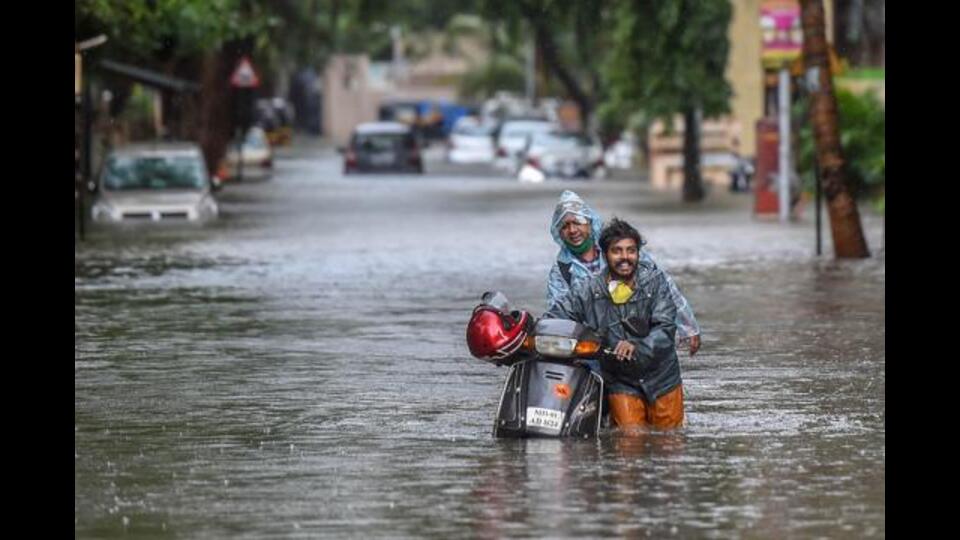
Of the 230 waterlogging spots identified, the PMC claims to have completed flood-mitigation work at 85 spots whereas work is still underway or has been proposed at more than 100 remaining spots under the PMC or National Disaster Management Authority (NDMA). According to officials, permanent flood-mitigation works such as new stormwater lines and box culverts have been installed at 40% of the waterlogging sites. Whereas work is either underway or awaiting implementation under NDMA (plans funded by NDMA) at another 50% of these sites.
At many other sites prone to flooding, only temporary measures like chamber desilting and manual water pumping have been undertaken. While the PMC claims to have completed flood-mitigation works at key waterlogging sites such as Shastri Nagar Chowk, Janak Baba Chowk (Kharadi), Naksa Chowk to Symbiosis stretch, Vadgaon Bridge and Satavwadi, reports of flooding at these sites continue to pour in, raising concerns over the quality and effectiveness of the civic works. Moreover, residents of areas such as Shivajinagar, Hadapsar, Kondhwa and Dhanori continue to complain of flooding even at sites where the PMC claims to have completed flood-mitigation works.
A senior official from the drainage department said, “In some places, the old drainage lines are not big enough to handle heavy rain. In other areas, water flow is blocked because of private property encroachments or uneven ground level. At some NDMA sites, work has not yet started due to delay in getting approvals or access to the sites.”
However, Ganesh Sonune, head of the disaster management department, said, “We have completed permanent work in most areas, and made temporary arrangements in some places because the scale of work is big and it is still underway. Last year, we listed 201 waterlogging spots in the city. This year, we have identified 29 new spots. Work is underway to fix these issues. We have also formed quick response teams in every zone to handle waterlogging situations.”
Even as the PMC maintains that overall rain preparedness has improved compared to previous years, the situation on the ground appears to be at odds with these claims.
PMRDA chief orders registration of FIRs amid persistent waterlogging at Hinjewadi
Despite multiple civic measures, waterlogging continues unabated across phases 1, 2 and 3 of Hinjewadi as well as along the metro corridor. In response, Pune Metropolitan Region Development Authority (PMRDA) commissioner Dr Yogesh Mhase has directed that FIRs be registered against citizens, companies and builders who have illegally diverted or obstructed natural water streams.
Mhase called a joint meeting with MP Shrirang Barne and MLA Shankar Mandlik in this regard at PMRDA’s Akurdi office on Thursday. Over a dozen officials and department heads from PMRDA, Maharashtra Industrial Development Corporation (MIDC), public works department (PWD), Pune IT City Metro Rail, Maharashtra Pollution Control Board (MPCB) and various gram panchayats attended the meeting. Residents were also invited to share their grievances, which the administration vowed to address urgently.
Mhase said, “At around 15 locations, some companies, builders, and residents have illegally diverted the natural flow of streams and drains. I have been ordered to immediately stop such constructions and file police cases against those carrying out unauthorised work.” The PMRDA commissioner emphasised during the joint meeting that work delays will not be tolerated and that pending tasks must be completed immediately.
Civic data has revealed that at least 15 locations have seen illegal constructions or diversions of natural nullahs, leading to flooding and inconvenience to commuters and residents.


