
 E-Paper



SC restores dismissal of Jharkhand cop in ‘dual identity’ fraud case
The case dates back to 2005 when Ranjan Kumar was appointed as a constable in the Jharkhand Police. In December 2007, while serving as a Reserve Guard, he went on a two-day compensatory leave but failed to return to duty.

 Prefer HTon Google


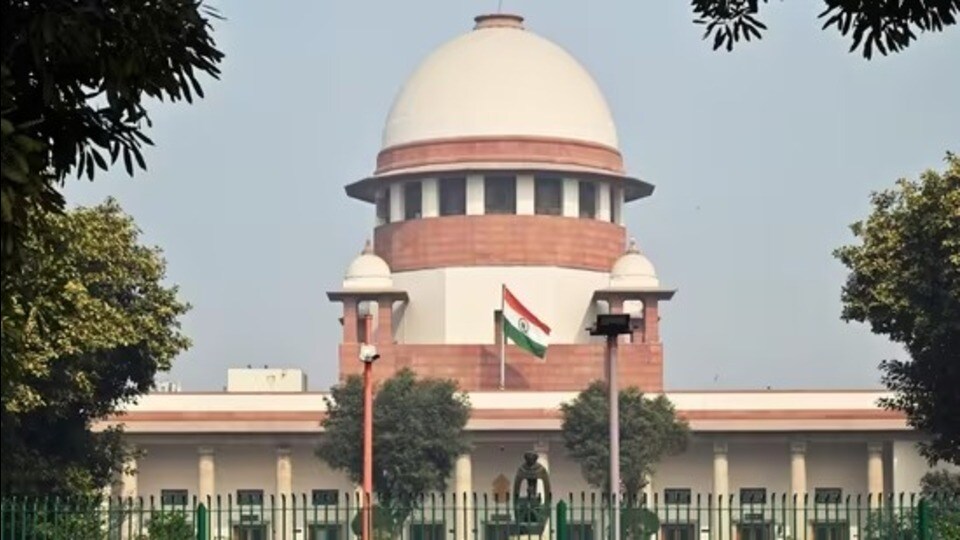
In a significant ruling aimed at preserving the integrity of public service, the Supreme Court of India set aside a Jharkhand High Court order that had reinstated a constable accused of maintaining two separate identities to hold jobs in both the Jharkhand and Bihar police forces simultaneously.
The case dates back to 2005 when Ranjan Kumar was appointed as a constable in the Jharkhand Police. In December 2007, while serving as a Reserve Guard, he went on a two-day compensatory leave but failed to return to duty.
Investigations later uncovered a startling revelation: during his “unauthorised absence,” a man identified as Santosh Kumar had allegedly secured a constable’s job in the Bihar Police using forged documents. Authorities suspect that Ranjan Kumar and Santosh Kumar were actually the same individual operating under two identities to draw salaries from two different state exchequers.
Following a departmental enquiry, the Superintendent of Police (SP), Garhwa, dismissed Ranjan Kumar from service in 2015. A single judge of the Jharkhand High Court upheld the dismissal on October 30, 2015. On August 25, 2022, a division Bench of the High Court reversed this decision, claiming there was “no evidence” to prove the dual identity.
The Supreme Court intervened, ordering a fresh forensic enquiry by the Bihar Police, which used fingerprint analysis and biometric records to confirm the fraud.
Presided over by Justice R. Mahadevan, the Court emphasised that police officers must be held to the highest standards of honesty.
“The allegations concern a deliberate and premeditated fraud upon two State police forces... by securing or attempting to secure public employment under two different names... supported by fabricated or manipulated documents,” the order reads.
The court criticised the High Court’s Division Bench for exceeding its jurisdiction by re-evaluating evidence in the manner of an appellate court.
“Judicial review is not an appeal from a decision but a review of the manner in which the decision is made... The Court or Tribunal in its power of judicial review does not act as appellate authority to re-appreciate the evidence,” the Supreme Court order reads.
On public trust in the police, the apex court observed that “Public employment, particularly in the police service, cannot be converted into an instrument of fraud. If individuals entrusted with enforcing the law themselves secure entry into service through deception... it would seriously erode the rule of law”.
The Supreme Court restored the original dismissal order and exercised its extraordinary powers under Article 142 to quash the Bihar appointment as well. Additionally, the Court directed the Directors General of Police in both the states to initiate criminal proceedings for cheating, forgery, and impersonation.


