CHANDIGARH: Researchers at Chandigarh’s Postgraduate Institute of Medical Education and Research (PGIMER) have conducted a systematic review to identify proteins and enzymes that are targets while treating coronavirus (Covid-19) patients.
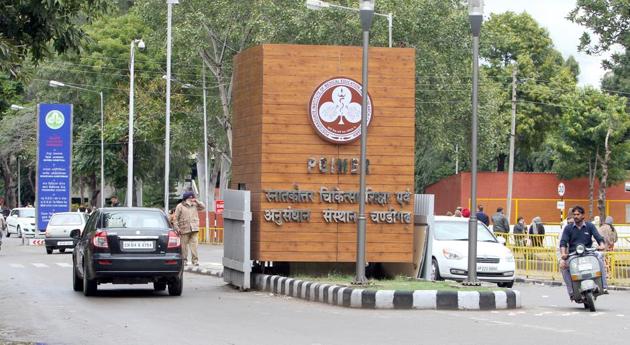
Dr Bikash Medhi, a professor at PGI’s department of pharmacology who led the research, said the researchers have identified seven major targets such as spike protein, envelop protein, membrane protein, protease, nucleocapsid protein, hemagglutinin esterase and helicase for which drug design can be considered.
“There are 16 other non-structural proteins (NSPs), which can also be considered from the perspective of drug design. The major structural proteins and NSPs may serve an important role in this perspective. However, the occurrence of frequent recombination events is a major deterrent factor towards the development of CoV-specific vaccines and drugs,” he said.
The review, Therapeutic options for treatment of Covid-19: An evidence-based approach, has been published in the Indian Journal of Pharmacology.
There are seven strains of human coronaviruses — 229E, NL63, OC43, HKU1, MERS-CoV, SARS-CoV and 2019-nCoV — that are responsible for the infection with special reference to the involvement of the respiratory tract (both lower and upper respiratory tracts) e.g. common cold, pneumonia, bronchiolitis, rhinitis, pharyngitis, sinusitis and other system symptoms such as occasional watery diarrhoea, according to the review.