The health department on Monday confirmed the first three cases of the dengue haemorrhagic fever, this season, in the district.
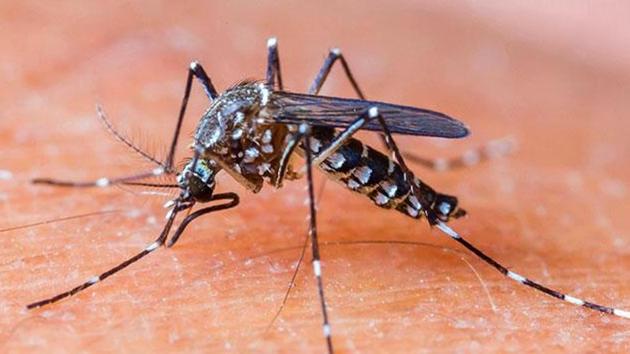
According to officials, a 42-year-old man in DLF Phase 2, a 25-year-old woman in Sector 23 and a 40-year-old man from DLF Phase-3 were reportedly brought to private hospitals in the city over the last week, with them exhibiting high fever, difficulty in breathing and other symptoms of dengue.
Tests of blood samples taken by the hospitals and submitted to the health department’s lab confirmed the disease. The three are currently stable and are undergoing treatment, officials said.
The number of reported dengue cases this year so far has been lower than in the same period last year. Until August 31, 2018, eight cases of dengue had been confirmed by the health department.
So far this year, 70 suspected cases of dengue have been reported from across the district, as per data available with the health department.
Officials of the health department said that the decrease in the instances of vector-borne diseases can be attributed to the strengthening of the on-ground surveillance this year. “The number of fogging machines, this year, was increased to 26 from 14. Two vehicle-mounted fogging machines were brought. The number of health workers was also increased,” said Dr Brahmdeep Sandhu, chief medical officer of the Municipal Corporation of Gurugram.
According to officials, more than a lakh houses have been surveyed so far and breeding sources have been destroyed wherever found. They said that around 2.8 lakh houses were surveyed, of which breeding spots were found in around 5,000. Also, notices were issued to 1,242 houses, officials said, but no fine was issued.
{{/usCountry}}According to officials, more than a lakh houses have been surveyed so far and breeding sources have been destroyed wherever found. They said that around 2.8 lakh houses were surveyed, of which breeding spots were found in around 5,000. Also, notices were issued to 1,242 houses, officials said, but no fine was issued.
{{/usCountry}}The number of cases of malaria in the district this season is at 15, said officials, which is lower than the 30 cases reported until the same date last year.
The Haryana government, in August this year, made vector-borne diseases such as dengue, malaria, chikungunya and Japanese encephalitis notifiable for the next three years, to control possible outbreaks. The decision to notify the diseases was taken under the Epidemic Disease Act, 1897, which confers powers to local authorities to implement measures necessary to control an epidemic.
According to officials, a failure to report a notifiable disease by any government hospital, private hospital, laboratories or clinics can invite action by the state government.
Stay updated with all the Breaking News and Latest News from Mumbai. Click here for comprehensive coverage of top Cities including Bengaluru, Delhi, Hyderabad, and more across India along with Stay informed on the latest happenings in World News.
Stay updated with all the Breaking News and Latest News from Mumbai. Click here for comprehensive coverage of top Cities including Bengaluru, Delhi, Hyderabad, and more across India along with Stay informed on the latest happenings in World News.