Today, June 3, marks a year since Gopinath Munde died in a car accident in Delhi triggering a renewed debate around the defunct Road Transport Safety Bill that has been pending Parliament approval since 2001. As a tribute to Munde, surface transport minister Nitin Gadkari, had said that it would be “passed in a month”.
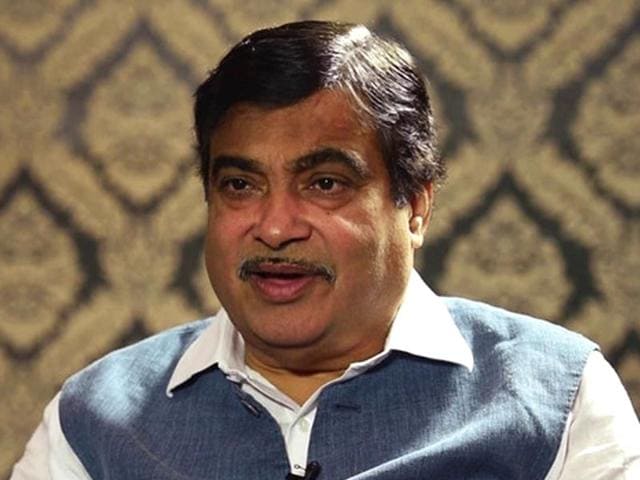
A politician’s word does not carry much weight. A year later, the Bill is nowhere near the completion of the process that would give India her best chance at road safety yet. Instead, the government has missed three self-imposed deadlines because various sections of the Bill were revised as interest groups lobbied against it. For example, transport owners’ associations called a nationwide strike on April 30 against what they termed “stringent measures” in the Bill to hold truck owners accountable for criminal negligence.
Revision is a euphemism because the replaced sections are diluted versions of what was in the Bill. “Life-threatening offences such as jumping of a traffic light by a truck were termed ‘minor’ offences by these groups. They demanded penalties be slashed for such offence. The government has not been able to take a firm stand on this and similar issues. It has preferred to delay the introduction of the Bill,” said Piyush Tewari, founder and CEO of SaveLife Foundation, a non-profit that works on road safety and had helped draft the original Bill.
Here are other dilutions. The stiff penalties of Rs2,000 for jumping a traffic light and Rs5,000 for not wearing helmets on two-wheelers and seat belts in cars have been slashed to Rs500 in each case. An upper limit of Rs15 lakh has been fixed for compensation for the family of a road accident victim; no limit exists now. “There are dilutions at the policy level,” said Tewari, “The powers and independence of the proposed road safety regulatory authority are watered down. There’s also conflict of interest – this body with government officials will monitor the largest road builder which is the Government of India.”
{{/usCountry}}Here are other dilutions. The stiff penalties of Rs2,000 for jumping a traffic light and Rs5,000 for not wearing helmets on two-wheelers and seat belts in cars have been slashed to Rs500 in each case. An upper limit of Rs15 lakh has been fixed for compensation for the family of a road accident victim; no limit exists now. “There are dilutions at the policy level,” said Tewari, “The powers and independence of the proposed road safety regulatory authority are watered down. There’s also conflict of interest – this body with government officials will monitor the largest road builder which is the Government of India.”
{{/usCountry}}Having a stringent Act in place will save lives – not only of motorists but also of pedestrians. Maharashtra ranks at the top among states with the highest number of road accidents. Mumbai has witnessed an explosion of vehicles in the last decade, from barely 13 lakh to more than 25 lakh in March this year. The last few years have seen a slight drop in the number of road fatalities but the traffic police and transport experts have attributed it to road congestion and lower speeds. The number of road accidents, 3,525 in 2013 according to the National Crime Records Bureau, is half of that in Delhi but that is no consolation.
The most damning statistic on road accidents comes from the city’s traffic police itself. Partnering with the think tank Embarq India for an in-depth study of road accidents between 2008 and 2012, it realised that 57% of those who died in road accidents were pedestrians and 31% were people on two-wheelers. Significantly, cars and two-wheelers were involved in more than 55% of all fatal accidents; taxis and autos were the least involved. That study also identified high-risk junctions and roads. Although the then traffic department head assured action, little has changed on the ground.
Stringent punishment for every traffic violation, whether by privately-owned vehicles or commercial vehicles is one huge step forward to making roads safer. But, for reasons best known to him, Gadkari is prevaricating on pushing the Bill through in its non-revised stringent version. If he does, he might save one Indian being killed on India’s roads every four minutes and it would be a fitting tribute to his late colleague.