


 Live Score
 Cricket Teams
 Cricket Players
Scoring with technology: The gadgets in Team India’s kit
Soon after taking over as India coach in 2000, John Wright was in for a shock. He saw tea and snacks being served to players during nets, and chairs placed all around. In his book, ‘Indian Summers’, Wright described how he removed chairs from the nets and the practice of pampering players with tea and snacks was stopped.


Soon after taking over as India coach in 2000, John Wright was in for a shock. He saw tea and snacks being served to players during nets, and chairs placed all around. In his book, ‘Indian Summers’, Wright described how he removed chairs from the nets and the practice of pampering players with tea and snacks was stopped.
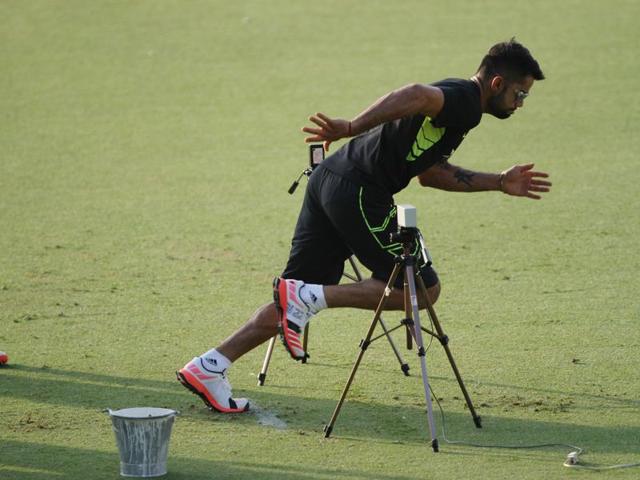
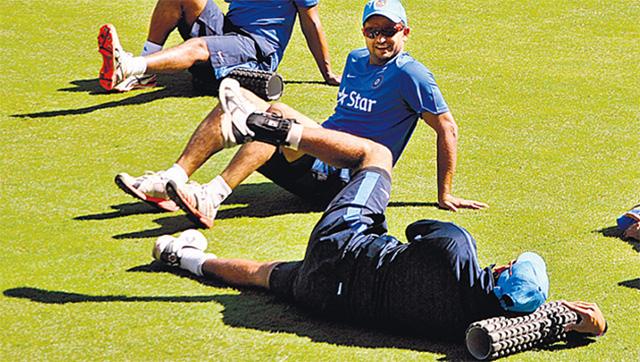
It wasn’t as if Wright disliked what he saw. He wanted to change what denoted comfort. Down the years, the team understood the meaning of fitness. The inclusion of professional trainers, physiotherapists and strict diet regimes is in sync with the changing world of professional athletes. Conventional thinking that cricket is a skill-based game has given way to a performance-centric mindset.
In the era gone by, injuries were assessed without getting to the bottom of the problem as the team management did not have information about bio-mechanics, which can offer accurate assessments. Body load, acceleration-deceleration while bowling fast, body contortion, phases of peak performance, the energy spent while bowling fast were beyond the comprehension of most players.
India players, particularly those from hinterland, were more averse to change as the concepts went against their beliefs. Some argued that it was too much of information and interfered with their natural game.
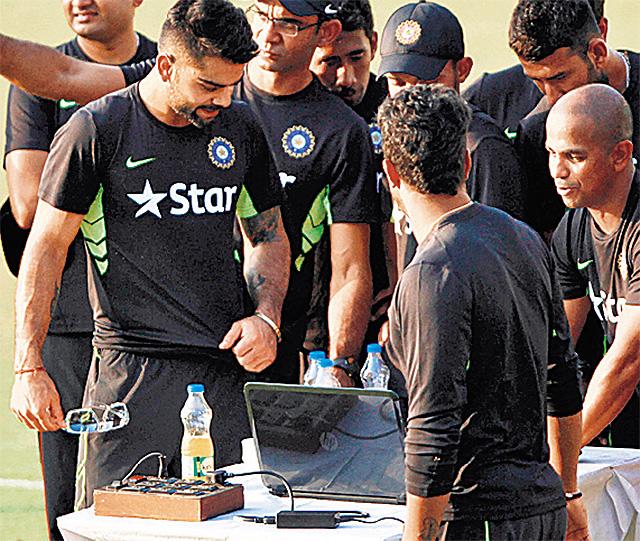
The initial task of the newly-hired professionals was to win over the players’ faith. Greg Chappell’s support staff, particularly Ian Frazer, the bio-mechanics expert, introduced tools to identify players’ strengths and weaknesses.
“As far as I am concerned, the players embraced the gadgets and saw the benefits. The gadget need not be expensive to be effective. It has to add value to performance and not because it’s in vogue in other countries. Apart from empirical data, gadgets can give a different perspective to physical and mental aspects,” said Ramji Srinivasan, former India trainer.
When the iPod gained popularity, the India team used it to feed clips of opposition batsmen’s weaknesses to the bowlers to analyse at leisure. Even their own performance clips — dismissals and bowling during practice and matches were fed.
To create a culture of fitness, the team management under Gary Kirsten introduced a rewards programme towards the beginning of the 2011 World Cup. A test was carried out on players on a weekly basis, and their body-mass index (BMI) was logged in the team register. Running, endurance and other fitness tests accounted for points and the one with the highest marks was declared the player of the week. Penalties ensured the practice was followed diligently.
“We had a weekly review and winners were announced according to the number of points they logged. There was a sense of competition among the players to get the maximum points. The cooperation of the senior and junior players was terrific,” said Ramji.
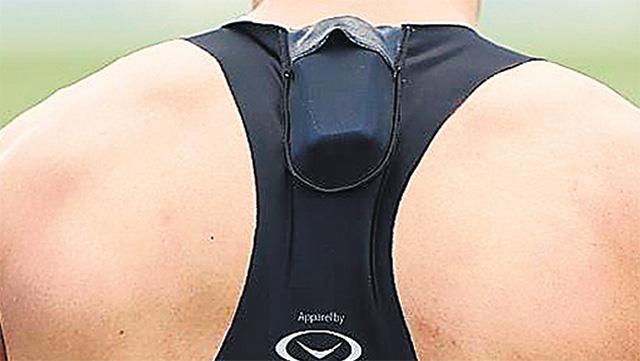
When India toured Australia in 2011-12, the Catapult, an effective tool with a GPS tracking system, was introduced. It was a chip that sent information to a small screen on a player’s movement pattern, helped assess the energy used, distance covered, point of acceleration and deceleration, mapped the bowling load and identified peak performance phases.
“The gadgets have been in vogue for some time, be it from the days of the heart rate monitor to the current GPS tracking device. They have played a crucial role in assessing an individual athlete or a group, be it for bio-mechanics, physiological assessment, fitness testing or any sort of body analysis. They’re like a double-edged sword and have to be used at the right time and place to derive data for desired results,” said Ramji.
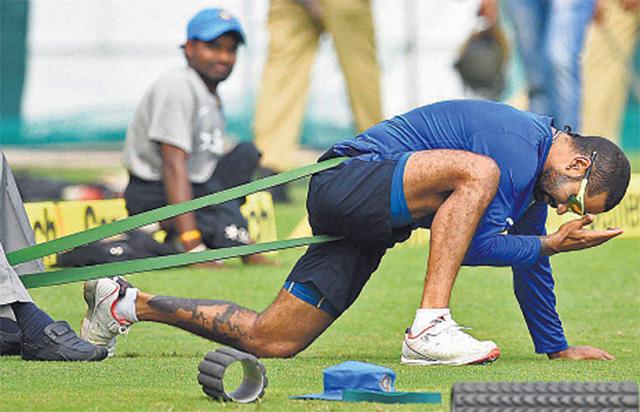
Customised information is now being fed into players’ iPads with relevant information on routine training and fitness. It wasn’t long that S Sreesanth showed up in a Nike watch that showed the heart rate, calories spent and distance covered. Now, MS Dhoni sports an Apple watch with customised personal apps that keep track of his body movement and training profile.
“The programme is individualised according to the sport and skill. Any adjustment can be made in tandem with experts. It’s up to them to infer the data correctly and apply it. The data needs to be transparent and has to percolate down to the players and others involved for the specific need it is used for,” said Ramji.
In view of the growing need to be tech-savvy, there is the temptation to imitate all that looks fancy, and that’s where the risk lies.
“When Team India was introduced to new methodologies of training, everything was Indianised and individualised because there were so many variables like genetic loading, food habits, facilities available, back-up services, etc, which we could not lift from Australia, England or South Africa and apply to our athletes. At the highest level, you cannot cut and paste or copy workouts from other trainers or teams,” cautioned Ramji.


