


 Live Score
 Cricket Teams
 Cricket Players
India's ODI squad for Australia looks strong on papers but few issues might give sleepless nights to Ajit Agarkar
India have announced a strong squad with a new ODI leader for Australia. Analysis shows that the team is strong on papers, however there are a few issues.

 Prefer HTon Google


The Indian squad for the ODI series against Australia later this month has been announced, with Shubman Gill appointed as the captain. Rohit Sharma has been sacked from the role after winning the Champions Trophy 2025, with the Indian management concentrating on developing a unit for the future.
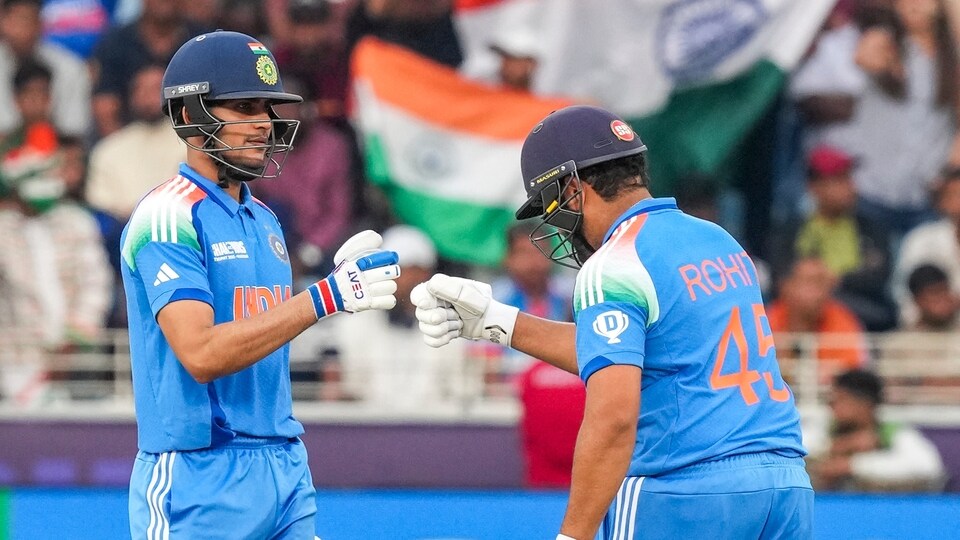
While it looks like a heavyweight squad and most of the bases look covered, there might be some gaps that have been left with the selection. In this article, we take a look at the three merits and demerits of the ODI squad that has been selected for the Australia tour.
The merits
1) Grooming the captain
The selection of Shubman Gill might seem a very bold call, especially ahead of a tough tour like Australia. However, the motive to groom him in the role for the 2027 WC seems a great decision. The young captain will get enough time to work around his squad, know his players, and establish his own ideal of running the team. Besides his elevation to the role with players like Virat Kohli and Rohit Sharma still there gives him the time to learn the knits and grits of the role.
2) The left-right combination in the line-up
The presence of Axar Patel and Washington Sundar allows India to continue their recent strategy of having a left-hand, right-hand batting combination at the crease, translated from the T20s to the ODIs. If they decide to keep these two players in the XI, they can put them in between the right-handed batters and bring in that dynamism. Also, experimenting with the line-up from now allows them to find a settled unit by the time the ODI World Cup draws near.
3) Developing a strong bowling unit
Arshdeep Singh’s inclusion would help India develop a perfect backup for Jasprit Bumrah. If during the 2027 World Cup, Bumrah is not available for any unforeseen reason, they would have a perfect back-up ready with the added advantage of the left-arm angle. Besides, if Arshdeep proves his worth, he could be a regular in the side too. With the World Cup scheduled to be played in South Africa, a good fast bowling battery could be very useful.
The demerits
1) Finisher grooming gap - even with NKR
Nitish Kumar Reddy is the perfect archetype for a finisher that India are trying to find in the ODIs. While Hardik Pandya plays the role, the management would ideally want another player in the role. Besides NKR, players like Washington Sundar and Axar Patel could also play the role. However, the grooming of these players gets delayed for the World Cup due to the absence of an experienced pro like Pandya, who has played the role for some time now.
2) Wrist spin: single point of failure
Kuldeep Yadav is the lone wrist spinner in the squad. If the form or fitness of the bowler wobbles, India would lean heavily on their finger spinners. A second attacking spinner needs ODI miles in 2025-26 to avoid over-reliance during the marquee tournament in 2027.
3) Breakthrough bandwidth is tight
The senior core (Rohit, Gill, Kohli, KL Rahul, Iyer) would naturally soak up most of the overs. That is great for results now, but it can cap live experimentation for the next batter or the backup keeper role in pressure situations. Inside this 15, role-rotation windows must be protected throughout the season, not parked until 2027.


