


 Live Score
 Cricket Teams
 Cricket Players
Pakistan's desperation to defeat India saw them out of U19 World Cup 2026: ‘That is not how sport is played’
Ravichandran Ashwin emphasizes the complexities surrounding India-Pakistan cricket matches, highlighting how pressure and narrative influence performance.

 Prefer HTon Google


Ravichandran Ashwin wants to watch the India-Pakistan “encounter” too — but not for the usual fever-dream reasons. On his YouTube channel, the former India spinner framed it as a pressure-cooker of cricket, commerce and narrative, where the game is often the last thing on the table.
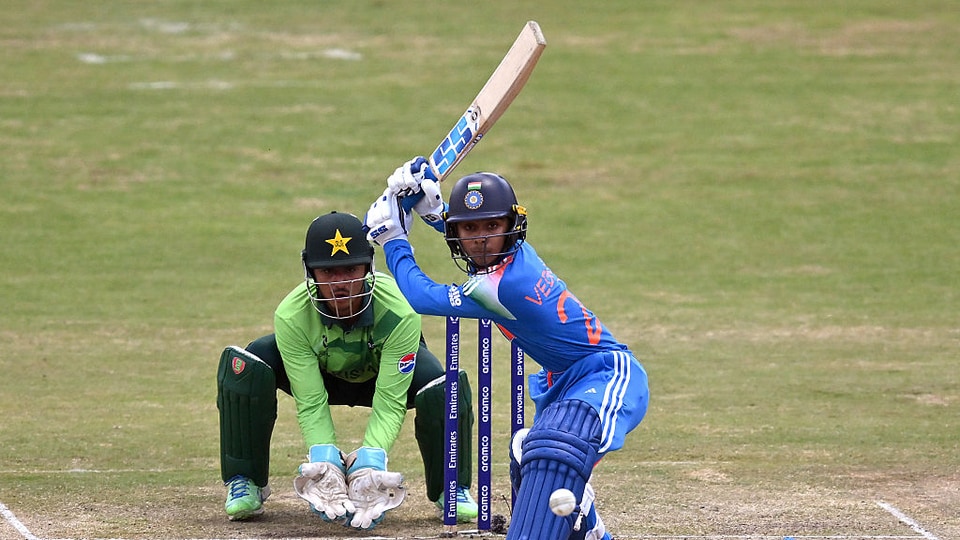
Ashwin’s point was blunt: Pakistan don’t just have to beat the opponent on the day. They are forced to fight the story around the match as well — the politics, the public emotion, the “you can’t lose to India” messaging — and it all bleeds into how they play.
“I want to see the India-Pakistan encounter because, see, there are a lot of business decisions in this,” Ashwin said. “Because they always have to fight that the team they are playing against — they have to play against that too — and the narrative also needs to be fought and it’s very hard.”
Ravichandran Ashwin then pulled in an Under-19 World Cup example to show how irrational the pressure can get when qualification math collides with obsession. In the scenario he described, a team had to chase a target within 33 overs to qualify — a simple equation that demands clarity, not emotion.
Also Read: Pakistan will ‘100 percent backtrack’ and T20 World Cup match against India ‘will happen’: Ravi Ashwin’s bold call
“Look, see, a team has to chase a score in 33 overs,” he said. “If you are able to chase or not, leave that. If you can’t chase in 33 overs, you are not qualifying. Keeping that in mind, how will they chase 250?”
That’s where Ashwin felt the problem becomes deeper than tactics. When the messaging is driven by symbolism — don’t lose to India, no matter what — teams start making decisions that actively hurt their World Cup chances.
“See, the messaging was very clear,” Ashwin said. “Whatever happens, you cannot lose against India. That is not how sport is played. You have to play it in a fashion that we have to qualify. We have to win the World Cup.”
Ashwin didn’t dress it up as moral policing. He called it what it is: a contradiction that looks absurd from the outside, but becomes tragic when it shapes real cricket decisions under real tournament stakes.
“This is quite funny, at the same time it’s quite sad to see it,” he said. “I would love Pakistan to play the right way.”
In Ashwin’s reading, that “right way” is simple: treat the India game as one big match, not the entire tournament — because when fear and narrative take over, the sport loses first.


