


 Live Score
 Cricket Teams
 Cricket Players
Post-Bazball England take shape as selectors reward form, redefine roles and confront the huge void left by Ben Stokes
England's first post-Bazball squad rewards county form, clarifies roles and exposes the unresolved balance problem created by the retirement of Ben Stokes.

 Prefer HTon Google


The end of an era is rarely announced by selection alone. More often, it appears through subtler changes: a player no longer protected, a recall once considered unlikely, or a role defined with unusual precision.
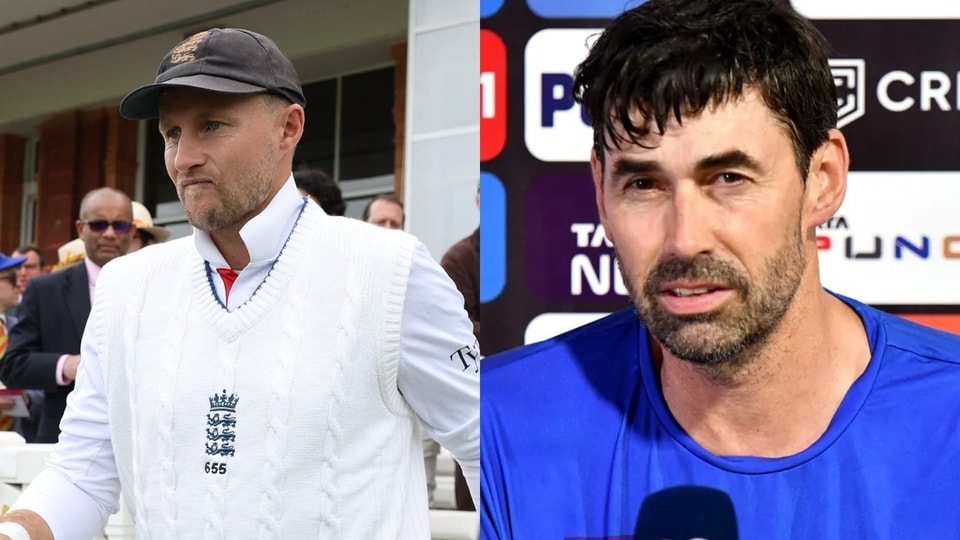
England’s first Test squad since the dissolution of the Ben Stokes-Brendon McCullum partnership carries precisely that significance. Stokes’ retirement ended the captaincy that transformed England’s temperament, while McCullum’s departure from the Test role formally closed the Bazball chapter. Joe Root has returned as captain, while Marcus Trescothick will oversee the Pakistan series before Stephen Fleming takes charge.
The 16-member squad for the opening two Tests against Pakistan is England’s first attempt to preserve the gains of Bazball without remaining captive to its excesses.
Bazball survives, but its protections may not
England have not dismantled the side built under Stokes and McCullum. Ben Duckett, Harry Brook, Jamie Smith, Jofra Archer, Gus Atkinson, Brydon Carse, Josh Tongue and Shoaib Bashir remain central. Jordan Cox’s promotion to No. 3 is hardly conservative either. He is an instinctively aggressive batter, trusted chiefly for his potential.
One of Bazball’s defining principles was unconditional backing. Players were encouraged to treat failure as temporary and selection as secure because freedom from immediate consequence was considered essential to fearless cricket. It liberated players, but also blurred the line between loyalty and immunity.
Popehas returned after losing his place following the Ashes, but he has not reclaimed No. 3 automatically. Cox has moved ahead of him and will replace the injured Jacob Bethell. Zak Crawley, one of the emblematic figures of the previous regime, remains outside the squad.
England still value attacking cricketers. What appears to have changed is their willingness to preserve incumbents merely because they suit a philosophy. Aggression may remain desirable, but it will no longer excuse prolonged underperformance.
Stokes has left a structural problem England cannot hide
Stokes was not merely England’s captain and emotional centre. When fit to bowl, he allowed the XI to contain seven batters, a wicketkeeper and five credible bowling options without weakening either department. No player in this squad can perform that dual role.
England have selected seven specialist seamers — Archer, Atkinson, Carse, Sam Cook, Matthew Fisher, Ollie Robinson and Tongue — alongside Bashir as the only frontline spinner. Yet this abundance conceals uncertainty: England have no obvious method of combining them without shortening the batting.
Dan Lawrence’s recall is central to their attempted solution. He is expected to bat at No. 6, while his off-spin offers a supplementary option. But Lawrence is not a genuine all-rounder; treating him as one would disguise the problem.
If England select Bashir, they may be limited to three specialist seamers. If they omit him, Lawrence could become their only spin option. If they field four specialist bowlers and rely on Lawrence for additional overs, Root may find himself managing workloads rather than attacking relentlessly.
This is the fundamental tension of the post-Stokes side. England may know how they want to play, but they do not yet know how to construct the XI that permits it. Until a genuine all-rounder emerges, every combination will require a sacrifice in batting depth, bowling variety or wicket-taking power.
Form and role clarity have regained authority
England have entered this transition with unusually explicit roles. Cox has been told he will bat at No. 3. Lawrence is expected at No. 6. Pope returns as the reserve batter rather than an automatic starter. Jamie Smith is positioned to remain lower in the order, while Emilio Gay provides opening cover.
That clarity marks a departure from the atmosphere-driven selection of the Bazball years. Under Stokes and McCullum, temperament and the ability to influence a match often mattered more than the traditional demands of a position. This squad appears more concerned with defining responsibilities first and allowing players to express themselves within them.
Domestic form has also regained leverage. Lawrence has forced his way back through a prolific County Championship season. Cook has retained his place after years of outstanding county returns. Pope’s recall recognises experience, but that experience has not outweighed Cox’s perceived ceiling.
England are not choosing simply between youth and experience. They are attempting to order potential and performance. Cox represents promise entrusted with responsibility. Lawrence represents form rewarded with a specific function. Pope represents experience retained as insurance. The hierarchy is visible, and that visibility itself is significant.
This remains a transitional squad rather than Fleming’s completed blueprint. Even so, its direction is apparent. England have preserved the attacking instincts of the Bazball era, weakened the culture of automatic protection, restored value to domestic performance and acknowledged that Stokes’ absence creates a problem no rhetoric can solve.
Bazball may have ended with the departure of its architects. What follows will depend on whether England can retain its courage while recovering the selectorial discipline that courage sometimes displaced.


