E-Paper



Char Dham shrine portals to close for winter months beginning November 15
Those of Badrinath to close on Nov 19, Gangotri on Nov 15, and those of Yamunotri and Kedarnath to close on Nov 16

 Prefer HTon Google


In keeping with the tradition of announcing dates of closing of the portals of the Char Dham shrines on the day of Dussehra, the Uttarakhand Char Dham Devasthanam Management Board said on Sunday that this year, the portals of the Badrinath temple will be closed for the winter months on November 19.
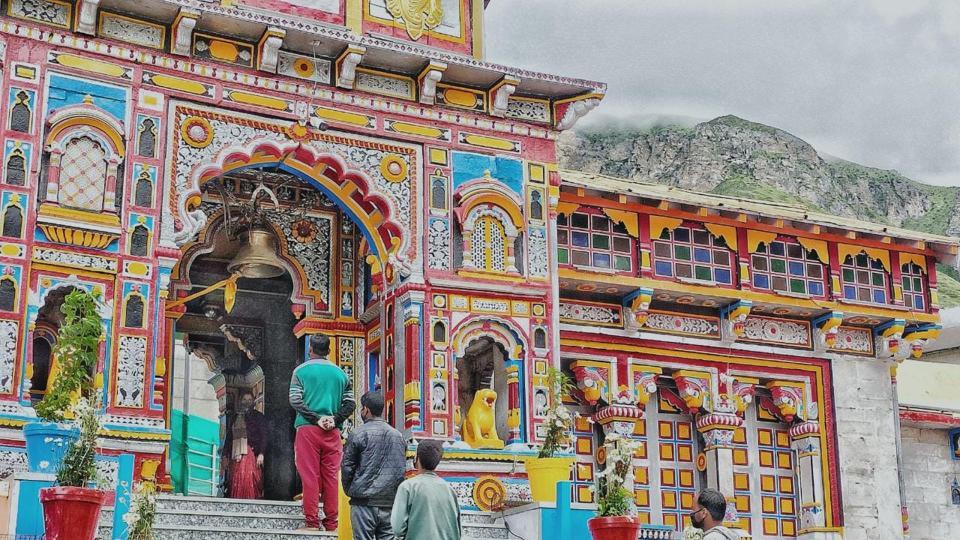
Likewise, the portals of Gangotri will be closed on November 15 (Govardhan Puja, next day of Diwali)) and portals of Yamunotri and Kedarnath shrines on November 16 (Bhaidooj).
The additional chief executive officer of the Board, B D Singh, said the auspicious time for closing the portals of the Char Dham shrines is arrived at through astrological calculations by local temple bodies and priests.
Also read | Religious tourism may get boost as Uttarakhand eases curbs
“In case of Kedarnath and Yamunotri, it is a tradition that their portals close on Bhaidooj, which falls on November 16 this year,” he said
Singh said portals of Badrinath will close at 3.35 pm on November 19, those of Kedarnath at 8.30 am on November 16 and those of Gangotri at 12.15 pm on November 15.
Besides these Char Dham shrines, the portals of Tungnath temple will be closed on November 4
The four Himalayan pilgrimage sites of Yamunotri, Gangotri, Kedarnath and Badrinath -- collectively called the Char Dham, located in Garhwal Himalayas -- are among the most revered pilgrimages in the Hindu tradition and attract hundreds of thousands of pilgrims each year. It is believed that every Hindu should undertake Char Dham pilgrimage at least once in a lifetime to avail the blessings of gods adorning the shrines.
Traditionally, the Char Dham pilgrimage begins from the west from Yamunotri, proceeding to Gangotri and finally to Kedarnath and Badrinath in the east. Last year, a record 2.9 million pilgrims visited Char Dham compared to over 2.7 million pilgrims the previous year.
This year, so far over 135,000 pilgrims have visited the shrines since July 1. After relaxations under Unlock 5.0 with the exemption of mandatory negative Covid-19 report, the number of pilgrims visiting these shrines has increased. Char Dham shrines were opened to people in the state on July 1. They have been open to people from other states since July 25.
Given the increase in pilgrim influx, the Char Dham board earlier this month increased the number of pilgrims who can visit the shrines now. The number of pilgrims allowed daily has been increased to 3,000 for Badrinath, 3,000 for Kedarnath, 900 for Gangotri and 700 for Yamunotri.