DEHRADUN: Women are the unlikely suspects when it comes to anything illegal related to booze in Uttarakhand as they spearhead protests against liquor shops and alcoholism. But, two women ‘gangs’ are under the police scanner for bootlegging in the spiritual town of Rishikesh.
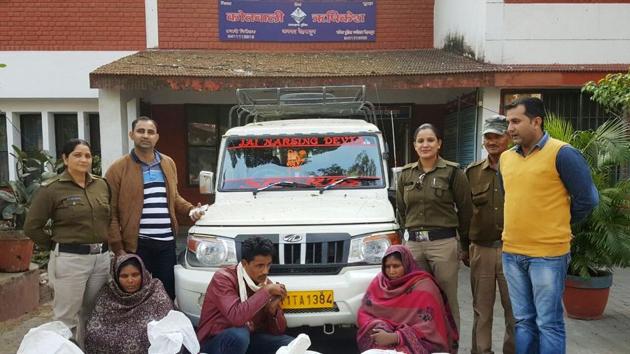
Popular among pilgrims and adventure tourism lovers, Rishikesh is a ‘dry area’ where consumption or sale of liquor is prohibited. It apparently doesn’t stop ‘desi daru’ lovers from their quota of ‘pawwas’ (one ‘pawwa’ is 180 ml), thanks to bootleggers, many of whom are women.
After clamping down with the Gangster Act, the Rishikesh police is working to nab members of the ‘Janki Gang’ and the ‘Bala Gang’ who are smuggling ‘desi daru’ (country made liquor) in the region. The Act stipulates a minimum of two-year jail and it may extend up to 10 years.
The police have identified and booked two members each of these two gangs under the stringent act after approval from the district magistrate. Many women groups are believed to be involved in smuggling of liquor in the holy town located at the foothills of the Garhwal Himalayas.
“Like the Janki and Bala gangs, there are around 30-35 women involved in bootlegging in Rishikesh. We are working to identify and nab them. These women smuggle ‘desi sharab’ in large quantities from nearby towns and sell it. Many of them were arrested earlier but got bail. So, we are invoking the Gangster Act against them,” Praveen Koshyari, in-charge of Rishikesh police station, told HT.
{{/usCountry}}“Like the Janki and Bala gangs, there are around 30-35 women involved in bootlegging in Rishikesh. We are working to identify and nab them. These women smuggle ‘desi sharab’ in large quantities from nearby towns and sell it. Many of them were arrested earlier but got bail. So, we are invoking the Gangster Act against them,” Praveen Koshyari, in-charge of Rishikesh police station, told HT.
{{/usCountry}}With some cash in their possession, the women mostly board buses leaving Rishikesh for nearby towns such as Doiwala and Ranipokhri where sale of liquor is not banned. “They slip in around 30-40 quarter bottles in their bags and return in Rishikesh-bound buses. Liquor is then sold at much higher rates with a 50-70% profit in the process,” a source in the know of the illegal activity told HT. While a quarter bottle comes for Rs 40-45, the gangs sell them for Rs 65-70 each in Rishikesh.
Prior to these two gangs, the Rishikesh police had booked another bunch of women under the Gangster Act in September. “Of the four women, three were arrested in October, while one continues to be on the run,” Koshyari said, adding that the challenge was to get the people to testify against them.