
 E-Paper



Delhi L-G Baijal approves Delhi govt’s key health schemes
In addition, the L-G has given a nod to the amendment in the Delhi Arogya Kosh (DAK), which would help pay for the free diagnostic tests and surgeries.


The Lieutenant Governor of Delhi Anil Baijal on Friday gave a nod to three big health schemes of the Delhi government – treatment for road and fire accident and acid attack victims, outsourcing of high-end diagnostic tests and surgeries. He termed it as a step in the right direction.
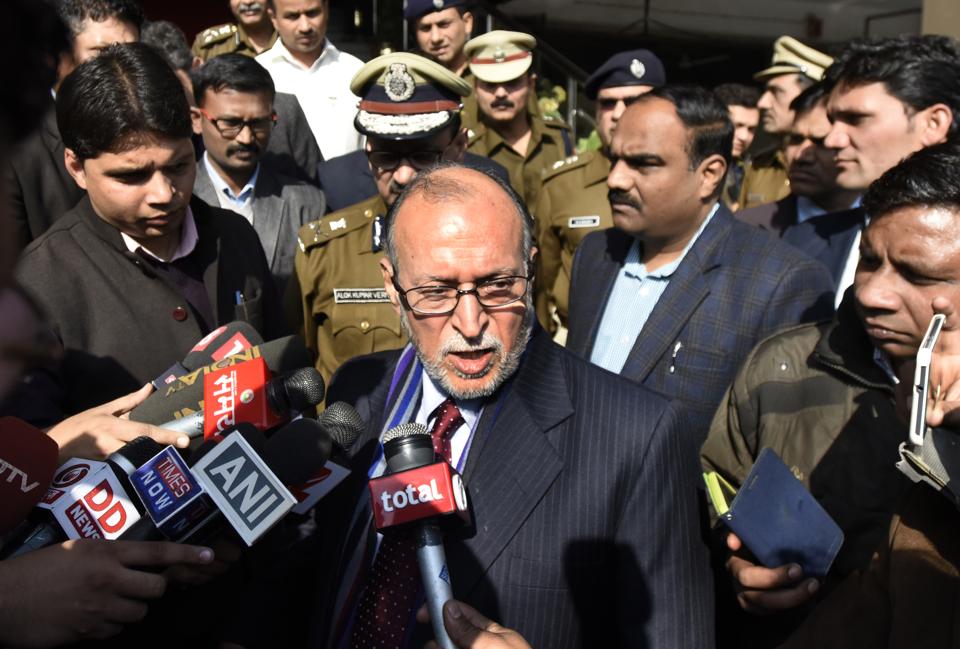
In addition, the L-G has given a nod to the amendment in the Delhi Arogya Kosh (DAK), which would help pay for the free diagnostic tests and surgeries.
“The money for the scheme will be released from the DAK, which already helps pay for surgeries and implants for the people below poverty line. The Rs 5 lakh limit for sanctions for a person from the fund would still remain,” said a Delhi government official.
While granting the approvals, the LG, however, asked the government to maintain an income ceiling for the people who would be allowed to avail the benefits of the scheme “so that the resources of the government are used to help the poor and the needy and the poor are not crowded out by the well-to-do,” the L-G said.
When the government had announced the schemes, the health minister said that the benefits of the scheme could be availed by any Delhi resident, irrespective of their income.
For the diagnostic tests, the L-G also asked the government to put in place a mechanism to ensure that unnecessary tests are prescribed “in collusion with private medical centres.” To prevent this, the L-G has advised the administrative department to develop an online system that is either based on Aadhaar or biometric to ensure proper follow-up of patients as well as preventing malpractices.
With recent cases of medical negligence and malpractices in private hospitals, the L-G also urges the government to have a mechanism to penalise institutions in case of malpractice or even poor quality of services.
Apart from that, the LG also asked the government to strengthen its own infrastructure. “The focus of these schemes appeared to be on outsourcing and there is not mention in the proposal about any action plan to strengthen the diagnostic infrastructure in the government institutions,” Baijal said.


