
 E-Paper



A first move to reaffirm public trust in the judiciary
The decision of the 33 judges of the Supreme Court that they will make their assets and liabilities public will help in restoring public trust in the judiciary

 Prefer HTon Google


The unanimous decision of 33 judges of the Supreme Court that they will make their assets and liabilities public will help in restoring public trust in the judiciary
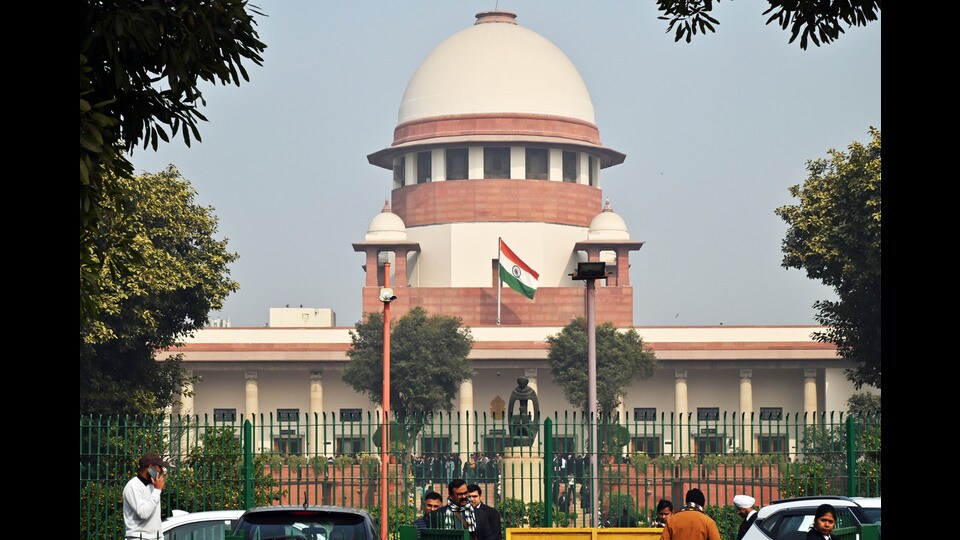
The discovery of a pile of currency notes at the residential premises of a sitting Delhi high court (HC) judge in March severely dented the image of the judiciary though the Supreme Court transferred the judge in the spotlight, Yashwant Varma, to his parent bench, Allahabad HC, and announced an in-house probe. Questions have been raised about whether institutional checks are in place to ensure probity within the judiciary and eliminate potential corruption. The unanimous decision of 33 judges of the Supreme Court that they will make their assets and liabilities public has to be seen against this backdrop. It will help in restoring public trust in the judiciary, surely, while sending out the message that it is mindful of institutional probity. Those holding high office should not only be exemplary in their professional and private domains but also seen to be uncompromising in maintaining the highest standards in their public conduct. Other tiers of the judiciary should take the cue from the apex court and follow suit.
Whether judges should make public disclosure of their earnings, assets and liabilities has been a matter of contention for years. In 1997, the apex court adopted a resolution — The Restatement of Values of Judicial Life — that mandated every Supreme Court judge to declare their assets and liabilities to the Chief Justice of India. HC judges were to submit the information to their respective chief justices. But this was more of a requirement within the judiciary and did not extend to making them available for public scrutiny. The Supreme Court (in 2009) said though it encouraged public disclosure it would not make it mandatory. Subsequently, the apex court held that the information could stay confidential unless public interest warranted a public disclosure.
As in any institution, the judiciary too has its black sheep. The challenge is to encourage transparency in the system so that indiscretions are spotted early and eliminated.


