Gasp. Choke. Wheeze. Gas chamber.
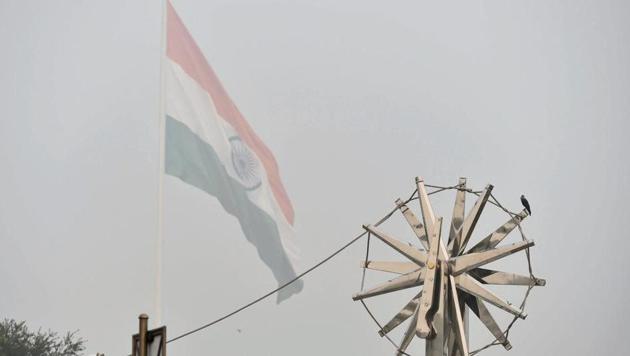
The words surface every year with amazing regularity (and seasonality) in the headlines of Delhi’s papers. They are as regular as Diwali or Christmas. For a few weeks, sometimes a month, every year, India’s capital becomes one of the most unlivable places on the planet. The quality of air plummets; levels of PM 2.5 and PM 10 (particulate matter of varying sizes) soar; and administrators and agencies, jolted into action, roll out the same short-term measures that they do every year. There is a lot of shouting and hand-wringing, even political brinkmanship. Then the crisis passes, and is forgotten.
Year after year, during the crisis itself, the people in charge of finding a solution seem to be in search of a magic cure, a button they can press to solve the problem. The approach isn’t entirely unexpected in a country where people are obsessed with the instantaneousness of technology but don’t have the patience to understand the science behind it.
Sure, there are studies on the bad air on Delhi, but there hasn’t been an authoritative one that looks at all the factors involved; and there are many. A partial listing would include: vehicular pollution; rampant construction in Delhi and its environs; the pollution of the Yamuna; current garbage disposal practices; the burning of stubble; Delhi’s location at the head of the Indo-Gangetic plain and, in some ways, on the eastern periphery of the Thar desert; and weather patterns. These are diverse and complex factors that have to be analysed threadbare to understand Delhi’s bad-air problem. And that’s for a first-level analysis.
Unfortunately, none of these lend themselves to the kind of instant analysis and even-more-instant solutions that are possible in TV studios. All require scientific rigour and time. Most require partnerships between the central government and concerned state departments, various government departments and agencies, civil society, research institutions and other stakeholders. And some may require innovative thinking – for instance, could behavioural economics have a solution to some aspects of the problem, including the burning of stubble by farmers in Punjab?
{{/usCountry}}Unfortunately, none of these lend themselves to the kind of instant analysis and even-more-instant solutions that are possible in TV studios. All require scientific rigour and time. Most require partnerships between the central government and concerned state departments, various government departments and agencies, civil society, research institutions and other stakeholders. And some may require innovative thinking – for instance, could behavioural economics have a solution to some aspects of the problem, including the burning of stubble by farmers in Punjab?
{{/usCountry}}This is clearly not a problem that can be solved by simply asking some factories to close or taking cars off the road. Nor is closing schools and offices the answer. Those are mitigation measures that may provide temporary relief. What Delhi needs is a permanent solution. And that’s possible only with partnerships, political will, and, above all, a better understanding (based on scientific research) of the problem. Otherwise all we will be left with are the same words.