
 E-Paper



Boris Johnson’s high stakes Brexit gamble
Instead of sticking to the October 31 Brexit deadline, UK should go for a mid-term poll

 Prefer HTon Google


Since parliamentary sovereignty is one of the four foundational principles of the United Kingdom’s constitution, the Boris Johnson government’s decision to prorogue parliament earlier than scheduled against the deeply divisive Brexit backdrop has understandably caused many to reach for superlatives. ‘Constitutional outrage’, ‘affront’ and ‘assault’ are the charitable ones deployed by the prime minister’s own party MPs and rivals to describe it. This is a crucial week and time has never been more of the essence, since the Brexit deadline of October 31 is barely eight weeks away. Held up as the ‘mother of all parliaments’, many capitals are watching how Westminster deals with the legally correct but politically expedient measure. Not that there were no warnings of such tidings to come when Mr Johnson entered Downing Street in July, given his colourful past, politically and otherwise. Like his friend across the pond and elsewhere, Mr Johnson also symbolises the rise of nationalist forces and its implications in various areas of life. But at least for now, Brexit supporters’ encomiums have been drowned by millions making their views against the prorogation known through petitions, protests and the opposition’s plans in parliament. As a ballast, the British constitution established over centuries of struggle against the monarchy has managed various crises, but rarely has the country been so divided and the discourse so toxic as on Brexit. The constitution will again be put to the test, but the situation now is more political than legal to be thrashed out in courts.
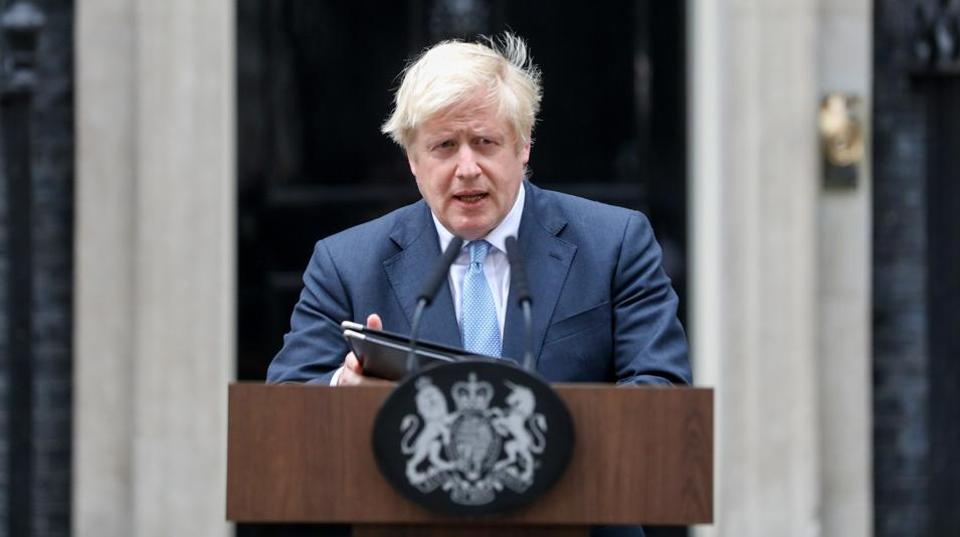
There are strong arguments on both sides of the Brexit divide, but the key issue now is whether Mr Johnson presides over the UK leaving the EU with or without an agreement with Brussels. A no-deal Brexit is widely recognised as an act of grave self-harm, since it will abruptly cut ties, rules, regulations, trade and exports forged over decades of EU membership and which govern every aspect of life. By making leaving the EU the be-all and end-all, with or without an agreement, Mr Johnson has raised the stakes very high. Despite Mr Johnson’s claims, the EU has consistently ruled out renegotiating the agreement reached with the Theresa May government: all of which makes for a classic logjam that only another mid-term election can resolve. Mr Johnson himself hinted on Monday that it may well be on the cards. It will also allow the British public another say on EU membership, now that they are more aware of untruths mentioned during the 2016 referendum and of the debilitating economic impact of a no-deal Brexit. If asking Brussels to extend Article 50 of the Lisbon Treaty and holding another mid-term election (after the one in 2017) is the price of rejuvenating democracy in the world’s oldest democracy, so be it. The maxim that a week is a long time in politics may well unfold again in London.


