Rarely have the worlds of science, public health, economy and global balance of power intersected as they have in times of Covid-19. And rarely has so much hinged on a single variable — the development of a vaccine, or a set of vaccines, to provide immunity to every individual across the world from Sars-CoV-2. The good news is that the worst may be behind us: The world is close to a vaccine breakthrough. Pfizer and Moderna have achieved a high degree of efficacy — at over 90%, it is much safer than initially assumed — using radical technologies which have the potential to tackle other critical diseases. There are other vaccines too, many at the third stage of trial, with a high possibility of success. All of this means that by early next year, the world will have a basket of vaccine options on the menu to choose from. Health minister Harsh Vardhan said, on Thursday, that a vaccine will be available in three to four months and that India has made arrangements to vaccinate 250-300 million people in the first phase.
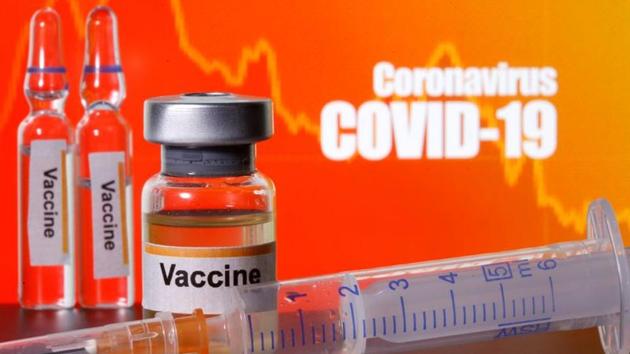
But the science is only one element of the vaccine development. The politics of the vaccine — especially as major powers seek to derive geopolitical advantage from it or nationalism prevails over collective good — will matter. The procurement of vaccines, especially for India, will hinge on agreements it is able to strike both bilaterally and multilaterally — while leveraging its own domestic production capacity. The storage and distribution of vaccines will hinge on embarking on a comprehensive partnership using public infrastructure and collaborating with private sector players — the fact that India has experience, both in its elections and vaccination programmes, to scale up is useful. The prioritisation of the vaccine — all citizens cannot be vaccinated simultaneously, given the limitations of immediate production, the scale of dosage required and logistical challenges involved — will require hard choices to be made; the health minister stated that frontline workers and the elderly will be prioritised, as they should.
And most critically, the affordability of vaccines will matter — it would be wisest for the government to pay up and provide it either free of cost or at deeply subsidised rates for the population, given that this will not just save lives, but act as the single-most important stimulus to bring the economy back on track.Tracking and building each element of the vaccine architecture should be the single-most important governance priority over the next year.
{{/usCountry}}And most critically, the affordability of vaccines will matter — it would be wisest for the government to pay up and provide it either free of cost or at deeply subsidised rates for the population, given that this will not just save lives, but act as the single-most important stimulus to bring the economy back on track.Tracking and building each element of the vaccine architecture should be the single-most important governance priority over the next year.
{{/usCountry}}