The tragic incident of a young girl bleeding to death in New Delhi’s diplomatic area last week because her mother could not call the police or emergency services due to bad network is a sad reflection of the quality of India’s telecom infrastructure. With nearly a billion mobile phone subscribers, India is among the world’s largest telecom markets. But statistics are merely a marker of the size of the market; they don’t say much about the qualitative aspects — voice and data — that operators offer.
Today, call drops have become a routine affair. The problem is so grave that even Prime Minister Narendra Modi expressed his concern on the issue at a meeting last month. Bad service quality and consumer dissatisfaction finally pushed the telecom regulator, Trai, on Friday to make it mandatory for telecom operators to compensate consumers Rs 1 for call drops with effect from January 1.
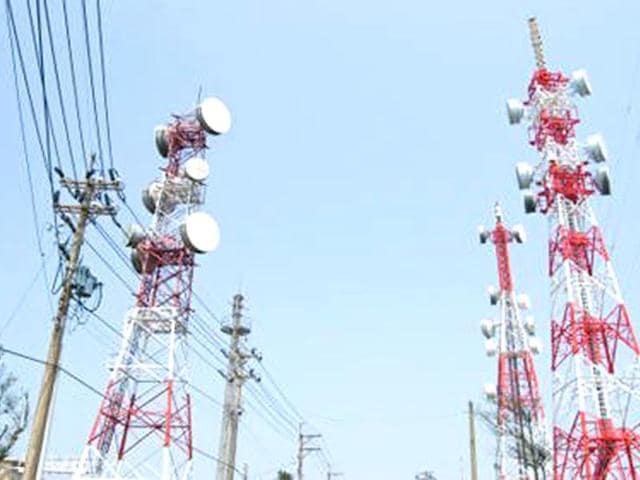
Today the situation is critical because infrastructure expansion has not kept pace with the increasing subscriber base. On average, an additional 3-5 million people join India’s burgeoning pool of mobile phone users per month. Ideally, telecom companies should erect around 1,000 new mobile towers every month to serve such numbers, but that has not been the case.
While telecom operators blame civic authorities for holding back the required expansion of infrastructure, there have also been protests against the installation of telecom towers in residential areas as many feel that they emit harmful rays which could be damaging to the health.
{{/usCountry}}While telecom operators blame civic authorities for holding back the required expansion of infrastructure, there have also been protests against the installation of telecom towers in residential areas as many feel that they emit harmful rays which could be damaging to the health.
{{/usCountry}}However, telecom companies refute this and allege that municipal bodies and resident welfare associations are not only forcing them to dismantle existing towers but are also refusing permission to install new ones. The regulator’s benchmark for call drops is this: In 100 calls, up to two can drop. Globally, operators meet these standards but here the picture is very different.
A comprehensive solution for this menace lies beyond just compensating consumers. India needs a right mix of policy support and regulation, requisite investment in infrastructure, free-signal boosters and optimum use of spectrum. The operators also have to improve network utilisation. To do all this, they need the support of state governments and local municipal bodies.
Most importantly, the service-level agreements that operators enter into with managed service providers for setting up the networks, erecting towers and putting up the boxes to transmit calls must be reviewed since they are very old and don’t reflect the changes that have taken place in technology and market.