Besides absorbing the 10-12 million youth who are joining the labour force every year, a recent Confederation of Indian Industries (CII) report has rightly added 5-8 million more jobs needed to absorb Indians who are leaving farms to seek work in manufacturing and services. Going by the higher end of such estimates, this means a national requirement of 20 million new jobs a year. This is equal to the entire population of Malaysia. In contrast, the major services and industrial sectors of the formal economy together barely generated 150,000 new jobs last year including heavy industry and software.
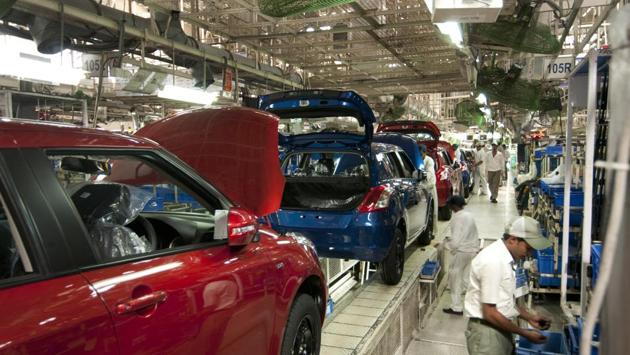
India largely missed the manufacturing boom that lifted so much of Asia out of poverty between the 1970s and 1990s thanks to layer upon layer of populist laws governing labour, land rights and so on that systematically destroyed the competitiveness of Indian industry. Most developed economies saw manufacturing employment reach about 25% of their workforce before making the switch to services. Export-driven industrial economies like China and Germany have seen that figure reaching over 40%. India’s manufacturing employment has never gone above 15% and is now about 12% and declining. Manufacturing jobs are socially important as they absorb poorly skilled farm labour and provide a springboard for the next generation to acquire the skills to move into services. Having laid waste to its manufacturing sector thanks to socialism, India has depended on construction to act as the transition job sector. But construction jobs unlike factory jobs are poor conduits for social mobility. Poor farm labour becomes equally poor construction labour – and stays that way.
Each Indian government has sought to address this with a patchwork of solutions. These have included financial handouts to keep unviable farms staggering along for a few more years, creating large numbers of pointless government jobs, import substitution strategies and, as the present regime is doing, encouraging self-employment. The private sector chipped in by seizing the opportunity created by the arrival of call centres and internet-based services. Leftwing and rightwing governments in India have only differed on the emphasis placed on certain instruments over others. But this bandaid approach did not provide real solutions. The Narendra Modi government deserves to be commended for addressing the structural problems that hold back the manufacturing front and investing in a future economic model built around digitalisation. However, its tolerance of the cultural campaigns against, for example, the meat industry means it may still destroy as many jobs as it is creates. Jobs are the country’s main challenge and New Delhi needs to prioritise it as the main yardstick by which to judge almost all policies.
{{/usCountry}}Each Indian government has sought to address this with a patchwork of solutions. These have included financial handouts to keep unviable farms staggering along for a few more years, creating large numbers of pointless government jobs, import substitution strategies and, as the present regime is doing, encouraging self-employment. The private sector chipped in by seizing the opportunity created by the arrival of call centres and internet-based services. Leftwing and rightwing governments in India have only differed on the emphasis placed on certain instruments over others. But this bandaid approach did not provide real solutions. The Narendra Modi government deserves to be commended for addressing the structural problems that hold back the manufacturing front and investing in a future economic model built around digitalisation. However, its tolerance of the cultural campaigns against, for example, the meat industry means it may still destroy as many jobs as it is creates. Jobs are the country’s main challenge and New Delhi needs to prioritise it as the main yardstick by which to judge almost all policies.
{{/usCountry}}