
 E-Paper



Dealing with a weaker rupee
Focus on mitigating the impact of the lower exchange rate on the larger macroeconomy

 Prefer HTon Google


The Indian rupee fell to an all-time low of 76.97 per US dollar on March 7. That this happened on a day when crude prices crossed $130 per barrel, the highest in more than a decade, should not surprise anyone. In an ideal world, exchange rate differences are supposed to capture the difference in inflation rates across countries. This is why economists often use the concept of purchasing power parity to compare income levels for regions with different exchange rates. The real world, however, works differently from the textbook version of it. Countries have different levels of dependence on critical goods and sudden changes in prices of these goods can have a different impact on exchange rates. India imports more than 80% of its energy requirements, and petroleum imports have had a share of anywhere between 20% to 30% in India’s total imports over the last decade. This means that when crude prices go up significantly, India’s import bill also goes up in a big way, which, in turn, generates pressure on the rupee.
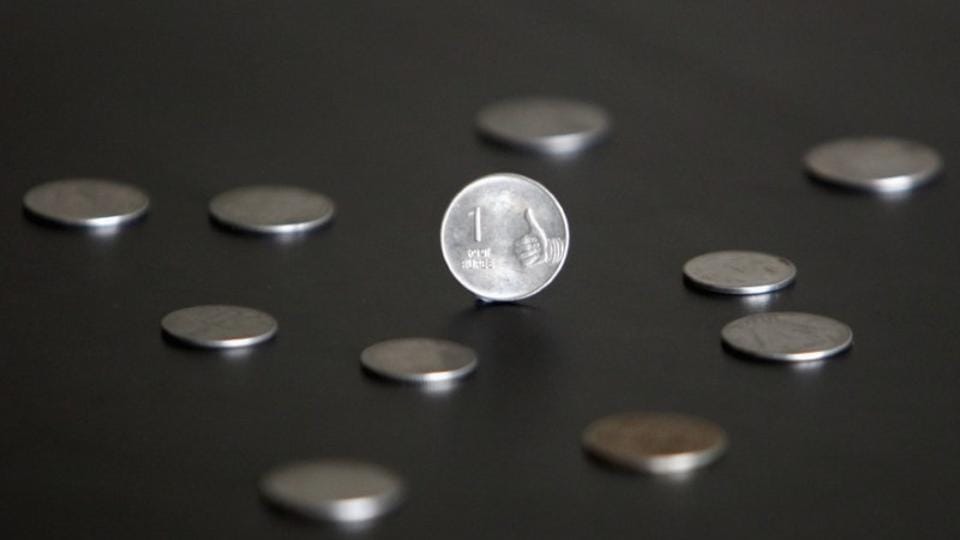
A tightness in energy markets is not the only reason which is leading to a fall in the value of the rupee vis-à-vis the dollar. With interest rates expected to go up in the United States and other advanced countries, foreign portfolio investors have been taking their funds out of India. This is a trend which is expected to continue. This is bound to put additional pressure on the rupee.
What is the larger economic takeaway of the rupee losing value against the dollar? There is a section in India, which has always made a virtue of (what can be loosely described as a mercantilist belief of) the rupee gaining in value against the dollar. Such ambitions cannot be realised unless there is a fundamental change in India’s trade pattern and our import dependence, at least on some crucial commodities such as crude oil, comes down drastically. To be sure, India could still find a way to partially cushion itself from the impact of high crude prices if it can strike a deal with countries such as Russia or Iran to buy oil in rupee terms. Unless that happens, the focus should be on making sure that the impact of exchange rate depreciation on the larger macroeconomy is mitigated as much as possible. This will involve a careful balancing between exploiting the import substitution and export promotion opportunities a weaker rupee brings and dealing with the inflationary impact of a rise in price of essential imports.


