
 E-Paper



Don’t close the doors on open-weight AI
Open-weight models are worth having. The risks are real, but they are challenges to be worked out, not reasons to close the door

 Prefer HTon Google


Nearly 150 companies want no new restrictions on open-weight AI models, the kind anyone can download and modify. Their letter calls distillation — training a cheap model on a costlier one’s answers — ordinary craft, not theft. The signatories include the who’s who of the industry: OpenAI, Google, Grok-owner xAI. Most of them use distillation. Some have deeper stakes still. Meta’s open Llama models undercut its closed rivals commercially at no cost to its ad-based business. Nvidia’s Jensen Huang needs open ecosystems: a world of many small builders needs chips everywhere; a handful of closed labs needs them only in a handful of places.
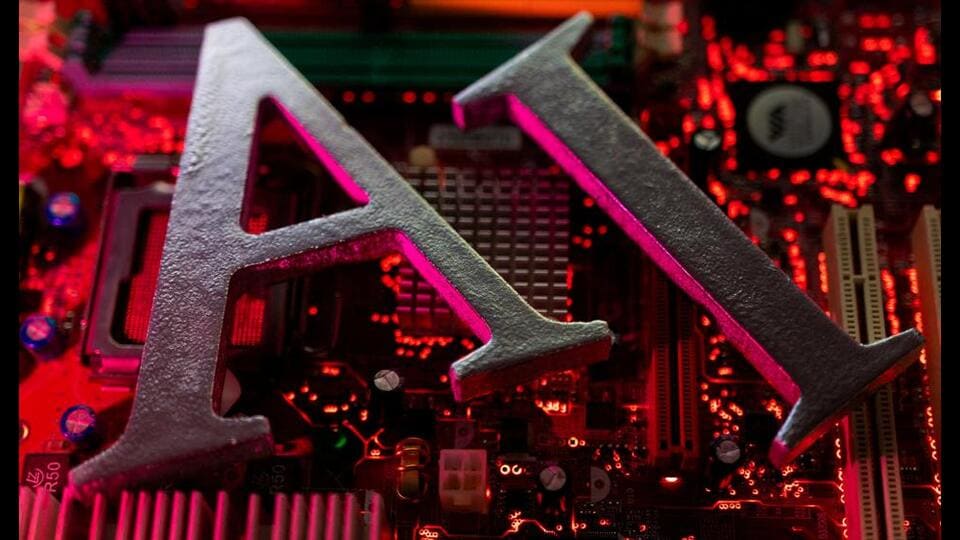
And some have mixed motives. OpenAI, a signatory, has itself accused Chinese firm DeepSeek of distilling its models in breach of terms — the very practice the letter defends when done in the other direction.
Anthropic didn’t sign. Its chief executive rejects a ban and calls unrestricted models a public good. But his preferred remedies — chip controls, mandatory safety testing, distillation crackdowns — favour whoever already owns the compute. Anthropic, too, has accused Chinese firms of the distillation it wants policed.
Open-weight models are worth having. They break the single-supplier dependency that lets one government switch off national capability overnight, and let smaller labs, universities and countries build without renting from a foreign gatekeeper. The risks are real — once released, weights cannot be recalled, guardrails cannot be added later — but they are challenges to be worked out, not reasons to close the door.
The question was never open versus closed. It is who gets to write the rules, and how these will be felt by everyone it is written against: the smaller companies trying to break in, and the countries trying to build without permission.


