On December 26, 2004, a magnitude 9 earthquake hit the Indian Ocean off the coast of Sumatra, triggering one of the biggest tsunamis in the world that killed 200,000 people. In India, the toll topped 10,000. The extent of the damage to lives and infrastructure was attributed to several reasons, the key being the absence of an early warning system (EWS) to detect tsunamis. Three years later, the Indian Tsunami EWS was established; the country also set up EWS for
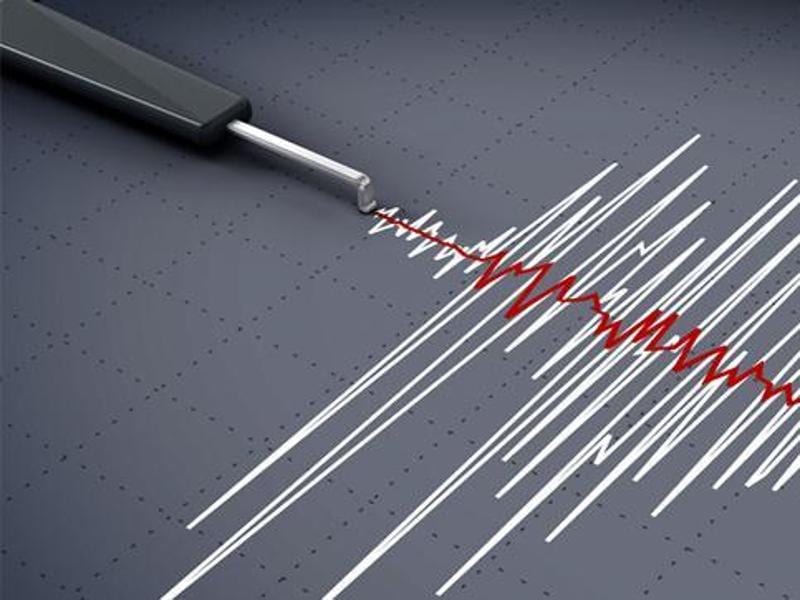
On December 26, 2004, a magnitude 9 earthquake hit the Indian Ocean off the coast of Sumatra, triggering one of the biggest tsunamis in the world that killed 200,000 people. In India, the toll topped 10,000. The extent of the damage to lives and infrastructure was attributed to several reasons, the key being the absence of an early warning system (EWS) to detect tsunamis. Three years later, the Indian Tsunami EWS was established; the country also set up EWS for hydro-meteorological hazards. In 15 years, this mechanism reduced mortality from cyclones by 90%.
On Monday, at the ongoing Conference of the Parties (COP27) meeting in Egypt, Union environment minister Bhupender Yadav acknowledged these efforts, reiterating the significance of EWS in a world pock-marked by extreme weather events. The executive action plan launched on Monday called for targeted investments of $3.1 billion between 2023 and 2027.
When it comes to climate crisis adaptation, EWS is a low-hanging fruit because it is a relatively cheap way of protecting people and infrastructure. India has made efforts to ensure that EWS is impact-based and can be understood by local communities, though this is a work in progress. It has enabled swift action on early warnings with an integrated hazard, vulnerability and exposure mechanism and designating the India Meteorological Department to act as a nodal centre for monitoring, predicting and issuing warning. These adaptation steps are critical, as Mr Yadav said, because climate finance from historical emitters, the developed world, is still a mirage. The most vulnerable regions need all the safeguards they can manage to tackle climate disasters. Until more concrete steps are taken, EWS is a crucial investment to secure the future of vulnerable nations and people from the climate crisis.
One Subscription.
Get 360° coverage—from daily headlines
to 100 year archives.
Archives
HT App & Website