An investigation by Indian Express into the functioning of the Election Commission of India (ECI) has highlighted three issues. The first is legal, concerning the change in the online version of Form 6 — used by new electors to enroll themselves — that asked whether the applicant’s parents appeared in the previous special intensive revision (SIR). If two election commissioners disagreed on this provision and stated it required a change in India’s 1950 voting rules, as mentioned in the report,
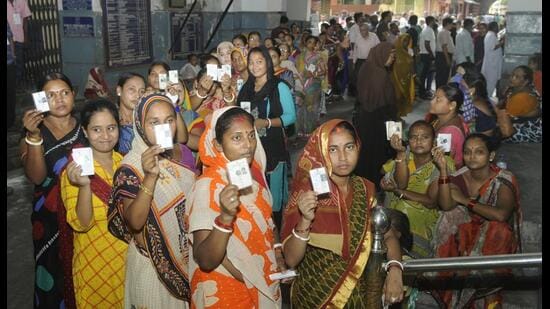
An investigation by Indian Express into the functioning of the Election Commission of India (ECI) has highlighted three issues. The first is legal, concerning the change in the online version of Form 6 — used by new electors to enroll themselves — that asked whether the applicant’s parents appeared in the previous special intensive revision (SIR). If two election commissioners disagreed on this provision and stated it required a change in India’s 1950 voting rules, as mentioned in the report, it raises serious questions about the election watchdog’s functioning. The second is technical, regarding the allegation that the functioning of state poll officials was curtailed by the central IT team. Who authorised this prima facie breach of established procedure? Why was no action taken despite two election commissioners flagging the problem and even writing to the cabinet secretary? The third is procedural — about the two election commissioners raising 14 objections in 10 months to crucial aspects of ECI’s functioning such as SIR, voter registration and deletion, and the security of the electoral roll. If the objections of two of the three-member panel — the chief election commissioner is the first among equals and does not have overriding powers, according to the Supreme Court’s landmark 1995 TN Seshan judgment — it represents an alarming rupture in the poll body’s conduct. ECI cannot evade these questions by adopting an adversarial posture or aggressive press conferences; both constitutional propriety and democratic sanctity demand that it provide clear answers to the country.
For seven decades, India’s crowning achievement has been its vibrant and cacophonous democracy, underpinned by free elections and universal adult franchise. That reputation is under a cloud today, not just because of the chaos unleashed by SIR and the millions tagged by questionable software and dubious translation, resulting in legalised disenfranchisement — including of 2.71 million in West Bengal who simply ran out of time due — but also because of the legal questions surrounding the very basis of commissioner selection. The Supreme Court’s decision to refer the law for selecting election commissioners to a five-judge constitution bench and justice Dipankar Dutta’s scathing comments — noting that the leader of the opposition was reduced to an ornamental role in the panel headed by the prime minister and another minister — underline the structural and perception problem of ECI. The country’s hard-earned reputation and the Indian citizen’s commitment to safeguarding her right to vote should not be allowed to be frittered away. ECI must course correct.
One Subscription.
Get 360° coverage—from daily headlines
to 100 year archives.
Archives
HT App & Website