When a group of 2,000 protesters taking part in the non-cooperation movement were fired upon by the police on February 4, 1922, they retaliated, setting fire to the police station in Chauri Chaura, a hamlet in the then United Provinces of British India. Twenty-two policemen and three civilians were killed. News of the violence disturbed Mohandas Karamchand Gandhi deeply, who then decided to withdraw the movement. He lamented that the doctrine of non-violence had not permeated the psyche of his
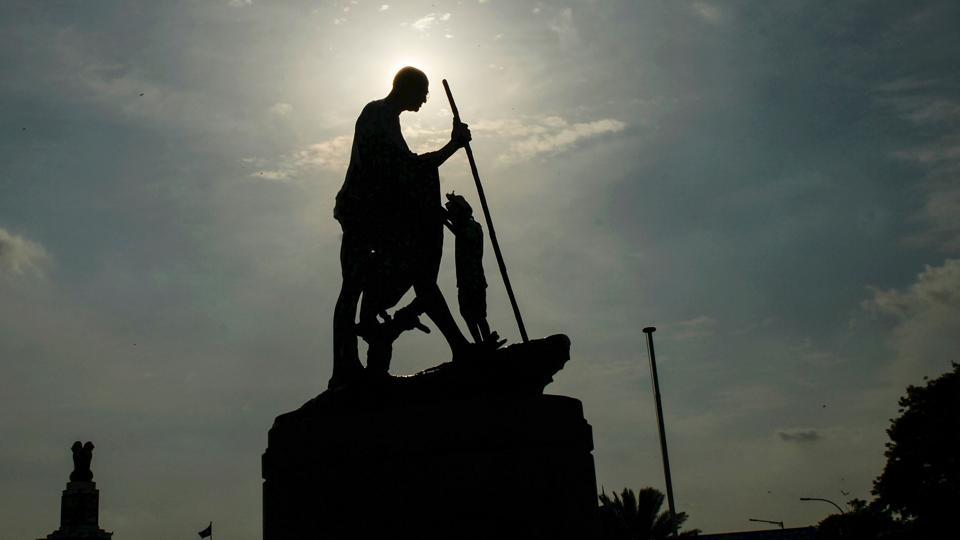
When a group of 2,000 protesters taking part in the non-cooperation movement were fired upon by the police on February 4, 1922, they retaliated, setting fire to the police station in Chauri Chaura, a hamlet in the then United Provinces of British India. Twenty-two policemen and three civilians were killed. News of the violence disturbed Mohandas Karamchand Gandhi deeply, who then decided to withdraw the movement. He lamented that the doctrine of non-violence had not permeated the psyche of his followers and that his countrymen were not yet ready for mass struggle.
A hundred years on, the incident, and the momentous decision it engendered, hold lessons for the country and its government. India marks the 75th year of its Independence this year, celebrating an extraordinary achievement that was won on the back of a remarkable, non-violent struggle that strove to not just repel the colonisers but also protect the moral core of the people who fought the aggression. It showed the world that the power of mass movements was bolstered, not weakened, by abjuring bloodshed and that non-violence was both tactically astute and morally superior.
Gandhi’s decision holds lessons for protesters who oppose democratically elected governments to abide by non-violent methods and refrain from goading followers to use force. His worldview tells administrators that ensuring amity between communities should be the aim of governments and that kindling strife for political reasons must be renounced. And it reminds India that there are few goals worthy enough to shed blood over. At a time when the nation’s social fabric is stretched by caste and faith allegiances, these are precious lessons.
One Subscription.
Get 360° coverage—from daily headlines
to 100 year archives.
Archives
HT App & Website