
 E-Paper



How green was my valley
Ex post facto environmental clearance is a sham. The Supreme Court is right to stay it

 Prefer HTon Google


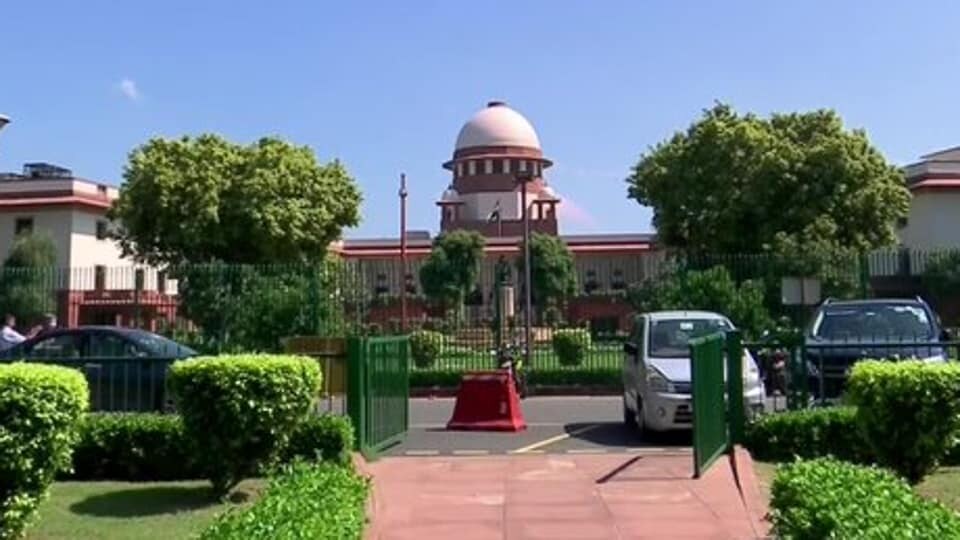
The Supreme Court has done well to stay the operation of an office memorandum (OM) issued by the ministry of environment, forest and climate change that allowed ex post facto environmental clearance for projects that required such clearance. The SC stay came in the context of a challenge to an OM issued by the ministry in January 2022, which was reportedly exploited by mining lease holders. The OM is bad in law and subverts the edifice built by the State to ensure that projects that may have a major impact on the environment undergo rigorous scientific scrutiny before being cleared for implementation. As the Court said, an ex post facto environment clearance, when rules mandate prior clearance, is an “oxymoron” and “mutually destructive”: Why must a firm or an individual seek prior clearance if the option of an ex post facto clearance is available? Besides, it opens the doors for rent-seeking behaviour.
The concept of environmental impact assessment (EIA) in projects, part of policy debates in the 1970s, became mandatory in 1994 when it was notified into the Environmental (Protection) Act, 1986. It is illegal to use an OM to override a core provision of the environmental law: a post facto clearance militates against the precautionary principle that guides environmental legislation. The law considers the State the custodian of forests and ecosystems and expects it to privilege their protection over the potential economic gains from their exploitation. Such a vision is not born out of some Luddite notion of nature preservation but is practical wisdom that has a scientific basis. The increasing frequency of extreme weather events reminds us about the need for a balance between “developmental” needs and the preservation of ecosystems.
Ironically, State bodies and agencies are sometimes at the forefront of violating or ignoring legal safeguards or exploiting loopholes in the law to facilitate their pet projects, in forest land, on river beds, and even in the precarious Himalayan ranges. For instance, the recent Silkyara tunnel collapse came as part of a project that had avoided EIA using the simple expedient of being broken up into smaller projects. On Tuesday, the SC chastised the Delhi Police, which had moved the top court against a National Green Tribunal order that refused clearance for a housing project on the Yamuna flood plains. Justice Abhay S Oka had to remind the petitioner that a few months ago the flooded river had threatened to breach the gates of the Court premises. It is time the subversion of environmental laws is stopped — in everyone’s interest.


