
 E-Paper



In Kabul, India’s twin agenda
As an era of relative peace draws to an end, India must be united and prepared. This is a test of India’s humanitarian commitment, and New Delhi must do whatever it takes

 Prefer HTon Google


On Thursday, external affairs minister S Jaishankar briefed 37 leaders from 31 parties in Parliament on Afghanistan. The minister outlined India’s immediate priorities as the safe evacuation of all Indian citizens and assistance to Afghans in distress, and acknowledged the security and logistical challenges in doing so. He pointed to the fact that while friendship with the “people of Afghanistan” would guide India, its “footprint and activities” in the country will “naturally” keep in mind “ongoing changes”. And Mr Jaishankar suggested that given the complex situation, India would carefully wait and watch. All political leaders expressed their support for the government, while articulating their concerns about the strategic and security implications of events in Afghanistan.
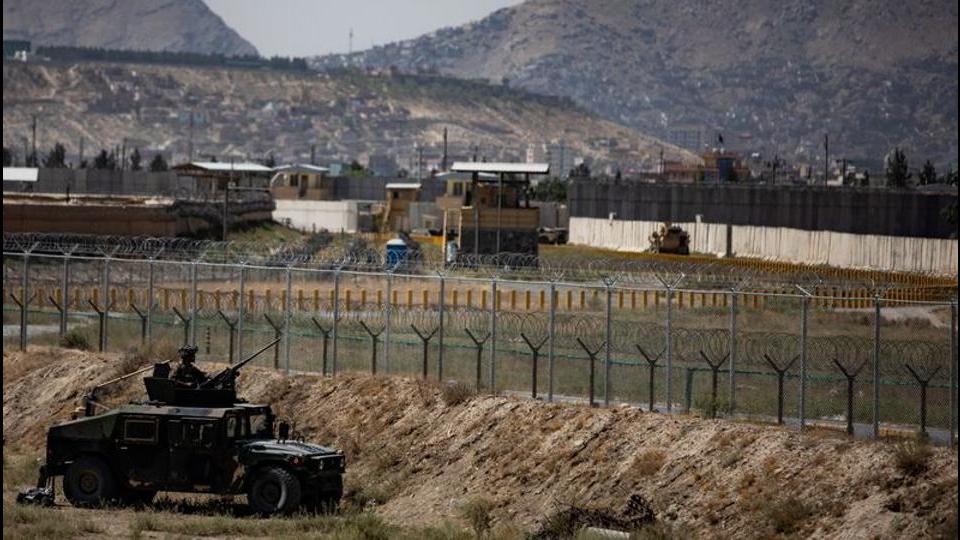
There are two issues here. The first is immediate — safety of Indians and help to Afghans. This is essential. It involves human lives. It is a test of India’s humanitarian commitment. And New Delhi must do whatever it takes, including talking to friends and foes and everyone in the middle, to rescue as many people who want to exit the country, both Indians and Afghans across religious denominations. Should New Delhi have been better prepared? Yes. But, to be fair, evacuation has been a challenge for all countries, including those who have spent two decades in Afghanistan and then fled.
Also Read | Why Islamic State a threat in Afghanistan despite Taliban rule?
But the other issue is the nature of the new regime in Afghanistan. There is a value to waiting and watching, especially if keeping quiet helps in getting one’s citizens out. But this mantra is also a result of the fact that India is not at the table as an external interlocutor, its Afghan friends aren’t in a position to shape developments, and its links with the Taliban are limited. What India can do is sound a warning about the terror machine that is a part of the wider Taliban network, seek the help of its new and old friends to ensure certain red lines are respected before granting official recognition to the new regime, and get ready for open engagement with the Taliban. India must also internalise that the era of relative peace may be coming to an end -- there is now potentially a second terror-sponsoring State in its western neighbourhood (which happens to be friends with the original terror sponsor) — even as it confronts an even more formidable adversary on the northern front. To tackle these strategic threats, a less polarised polity will help. The Thursday meeting was a good start.


