The Financial Action Task Force (FATF) may have removed Pakistan from its “grey list” of countries facing enhanced monitoring of financial transactions, but its president, T Raja Kumar of Singapore, repeatedly stated that Islamabad will have to continue its work to improve mechanisms for countering terrorist financing and money laundering. Pakistan was included in the grey list in June 2018 after the members of the multilateral watchdog concluded that the country was not doing very much to tackle the finances
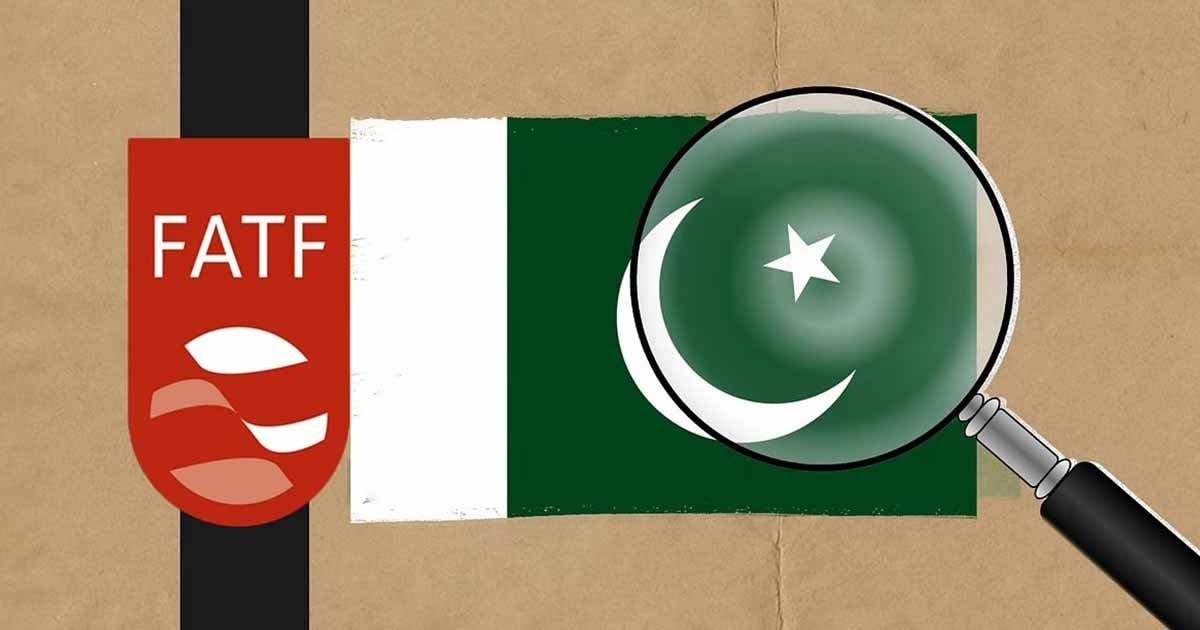
The Financial Action Task Force (FATF) may have removed Pakistan from its “grey list” of countries facing enhanced monitoring of financial transactions, but its president, T Raja Kumar of Singapore, repeatedly stated that Islamabad will have to continue its work to improve mechanisms for countering terrorist financing and money laundering. Pakistan was included in the grey list in June 2018 after the members of the multilateral watchdog concluded that the country was not doing very much to tackle the finances and assets of a number of terrorist groups proscribed by the United Nations Security Council, including the Jaish-e-Mohammed (JeM), Lashkar-e-Taiba (LeT) and the Taliban. Pakistan initially responded to the listing by enacting or improving legislation and regulations. But as it repeatedly failed to meet target dates to implement an initial action plan to curb terrorist financing, Pakistan remained in the grey list for more than four years.
The removal from the list may be good news for Islamabad but for the world community, it will remain important to keep an eye on Pakistan’s ability to curb the widespread activities of terrorist groups to both raise finances and acquire assets. In the past, Pakistan’s double-speak has been exposed repeatedly on the world stage. It must be recalled that Pakistan arrested and prosecuted several LeT leaders – including the group’s founder Hafiz Saeed and Sajid Mir, one of the terrorists who helped plan and execute the 2008 Mumbai attacks – in the weeks before crucial FATF meetings in recent years. These actions were clearly taken to influence deliberations at FATF meetings and there is no evidence that Pakistan is undertaking or has mounted any sustained drive to freeze assets and stop fund-raising by terrorist groups such as LeT and JeM that maintain impressive countrywide networks. These networks may currently be dormant, but they can be reactivated whenever the terror groups, or their benefactors in Pakistan’s military, want to do so. This is why India called for the international community to continue pressing Pakistan to take credible, verifiable and irreversible action against terrorists and their financing networks.
But with Pakistan roiled by domestic political turmoil, and potential uncertainty ahead with army chief Qamar Bajwa retiring in November, it is unclear whether the country will retain the appetite, or even the incentive, to continue the crackdown. As Mr Kumar asserted, “There is more work to do.”
One Subscription.
Get 360° coverage—from daily headlines
to 100 year archives.
Archives
HT App & Website