A country is judged by the quality of its people and its institutions, which is why recent events in India regarding the Central Bureau of Investigation (CBI) and the Reserve Bank of India (RBI) are disturbing. In both institutions, the current Bharatiya Janata Party-led National Democratic Alliance government appointed leaders of its choice (fine, second choice in CBI, because its first choice wasn’t eligible at the time the vacancy came about). Neither Alok Verma at CBI, nor Urjit Patel at RBI was the appointee of an earlier government that the current regime had to tolerate. Yet, in both institutions, the leaders rapidly fell into disfavour with the government.
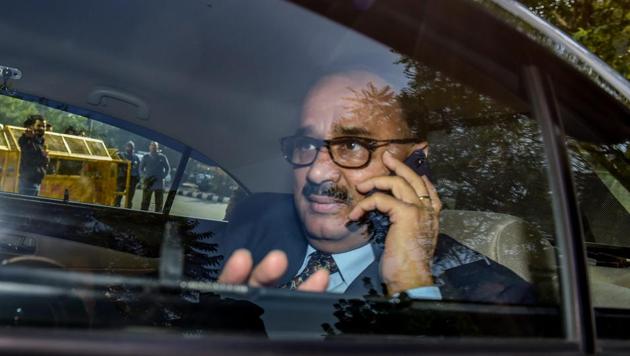
In Mr Patel’s case, this seems to have been driven by a fundamental difference of opinion on how the economy should be managed and the extent of the central bank’s autonomy. Expectedly, he resigned late last year citing personal reasons. The government appointed a new governor who is well qualified for the role, and also set up a committee to look into the issues where it and the bank have a different view, but its unwillingness or inability to convince Mr Patel to stay back remains a mystery — one that will serve as the filter through which any decision of the new governor and the committee is seen. Mr Verma’s case is more complex. He and his deputy (the man who would have been the government’s first choice had he been eligible) were allowed to squabble, make allegations against each other, and then abruptly divested of their powers. Since due procedure wasn’t followed during his removal, the Supreme Court insisted that the decision be reversed and reinstated him. Late last week, he was removed again, this time following due procedure, but several questions remain unanswered. These concern the nature of charges against Mr Verma, the quality and methodology of the Central Vigilance Commission’s investigation that was carried out on these charges at the Supreme Court’s behest, and whether the principles of natural justice (simply put, an accused has the right to a defence) were followed.
Earlier governments might have also been interfering in their management of institutions but that’s really no defence for the lack of transparency and the unwillingness to go the extra mile in explaining what went down in these important organisations. Mr Patel’s reading and the management of the economy may have been wrong, and Mr Verma may have been guilty of mismanaging the CBI and several investigations, but thanks to the way both exits were mishandled, there will always be a degree of doubt with which such claims are received. No government, especially not one that continues to remind the country of how previous governments eroded the autonomy of institutions, can afford that. To lose one head of an institution may be a misfortune; to lose two looks like carelessness.
{{/usCountry}}Earlier governments might have also been interfering in their management of institutions but that’s really no defence for the lack of transparency and the unwillingness to go the extra mile in explaining what went down in these important organisations. Mr Patel’s reading and the management of the economy may have been wrong, and Mr Verma may have been guilty of mismanaging the CBI and several investigations, but thanks to the way both exits were mishandled, there will always be a degree of doubt with which such claims are received. No government, especially not one that continues to remind the country of how previous governments eroded the autonomy of institutions, can afford that. To lose one head of an institution may be a misfortune; to lose two looks like carelessness.
{{/usCountry}}