
 E-Paper



Let science guide the shift to sustainable farming
The government must make sure that indulgence in natural farming does not hit farm productivity and cause shortages

 Prefer HTon Google


Based on the science of the time, the Green Revolution brought food security to India. On this foundation, India’s mammoth Public Distribution System for foodgrains, its impressive farm exports (most prominently, rice), and its mid-day meal scheme, among others, were built. At the same time, practices engendered by the Green-Revolution-led growth have taken a toll on groundwater, soil health, agri-biodiversity, overall agri-productivity, and even air quality. It is against such a backdrop that the Centre has backed natural farming — an about-turn from the chemicals- and seeds-technology-led Green Revolution, towards what its proponents claim is a farming system rooted in eco-sensitivity and traditional agricultural knowledge. The ~ ₹2,500-crore National Mission on Natural Farming is in step with the government’s stated aim to improve soil health and reduce groundwater/irrigation dependence.
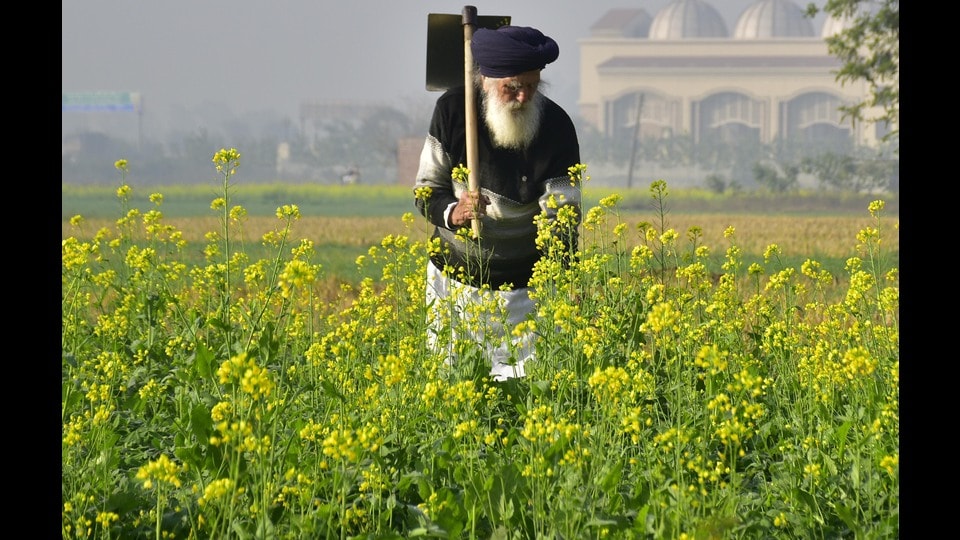
However, the government must make sure that indulgence in natural farming does not hit farm productivity and cause shortages. A recent academic paper from ICRIER pointed out that scientists at the Indian Council of Agricultural Research-Indian Institute of Farming Systems found significant declines in wheat and basmati rice yields under natural farming methods, compared to integrated farming. The implications for food security, farm income, and inflation, can be debilitating for the country.
The pressing need is for investment in agriculture research and the development of new technologies that can weed out the second-generation problems of the Green Revolution. That calls for improved agri-extension services, better planning of crop cycles and water use, even shifting out of cereals in water-deficient areas and so on. Sri Lanka’s recent disastrous experiment with chemical-free natural farming that led to a massive foodgrain shortage is a warning not to put all our eggs in the natural farming basket.


