
 E-Paper



The Investors Whose SpaceX Shares Vanished Before They Could Cash In
One bought in to an SPV fund touting pre-IPO ‘exposure’ to the rocket company. He was told later the shares were sold before trading began.


 Prefer HTon Google


Ram Rupireddy could hardly believe his luck in 2020 when his friend told him about a New Jersey firm pitching investment opportunities in SpaceX and other buzzy privately held companies.

Rupireddy lives in Ashburn, Va., with his wife and two kids and was earning a reliable income as a data engineer at a healthcare company. But he had friends in the Bay Area who had invested early in hot startups, and he wanted in. This was his chance.
The investment firm, Late Stage Management, wasn’t selling actual shares, but stakes in vehicles that it said held them.
Known as special-purpose vehicles, the funds hold shares in private companies either directly or indirectly, by investing themselves in other funds with stakes. The SPVs provide a workaround to the limit on the number of shareholders private companies can have without offering more detailed financials. They operate under few regulations and are supposed to be only for accredited investors, or those whose net worth or income reaches a certain threshold.
Rupireddy’s friend introduced him to a sales manager at Late Stage, Jeremy Barish. They spoke on the phone but mostly messaged back and forth on WhatsApp, and he said he never met with anyone from the firm in person.
In November 2020, Rupireddy messaged Barish about how he had missed out on a few big IPOs recently and how he’d love to participate in buying stakes in Impossible Foods, SoFi and SpaceX. Barish said all three were available and sent over paperwork for Rupireddy to sign. Rupireddy wired over money before the end of the year, including $17,250 to take part in a fund that held shares in Elon Musk’s SpaceX, according to documents reviewed by The Wall Street Journal. At the time, he estimated the rocket maker was valued at $58 billion.
When SpaceX went public this June at a $1.77 trillion valuation, Rupireddy’s dream of a windfall seemed within reach. It’s turned into more of a nightmare.
Shortly after the IPO, Rupireddy and three other investors who spoke to the Journal said they couldn’t log in to Late Stage’s web portal for investors.
Rupireddy said the investment firm eventually told him in an email that it sold the SpaceX shares he was exposed to in 2024, when they were worth around $105 each and before a 5-1 stock split, or when Rupireddy’s holding was worth $45,450.
But Rupireddy—based on the holdings shown on his investment portal as of May 2026 and on his 2025 tax document—believed he still held the equivalent of 2,500 shares of SpaceX, which at the IPO price he estimated were worth more than $300,000.

“The plan was to fund college education for both of my kids. One is a rising senior in high school,” said Rupireddy, who has since filed a complaint with the Securities and Exchange Commission.
Other investors in the fund are also alarmed. Rupireddy said he believes more than 100 others are in a similar situation, based on a group chat that has formed with about 150 Late Stage investors. Some have hired lawyers to file a complaint against Late Stage, with the purpose of recovering and preserving their pre-IPO shares of SpaceX.
One investor in the fund told the Journal an SEC lawyer called him in July to question him about his experience with Late Stage, and he said an FBI special agent was also on the line.
A test will come on Thursday, when a first wave of pre-IPO SpaceX investors will be permitted to sell shares under so-called lockup agreements. Bankers estimate there are at least a thousand SPVs tied to SpaceX stock alone, and it will be a chance for scores of investors to cash in on the shares’ growth. Or, they could be hit by the same panic that overwhelmed Rupireddy if their share of the profits fails to materialize. Around 900 million shares are eligible to be sold beginning Thursday.
The Journal reviewed Rupireddy’s tax documents, emails, WhatsApp messages and screenshots of his account portal.
Late Stage didn’t respond to repeated requests for comment, including to executives and to lawyers representing the firm in a class-action lawsuit, or to questions sent to the company’s main email address. The Journal attempted to deliver questions to the physical New Jersey address listed in March as Late Stage’s office, but the company didn’t appear to have a presence there. A property manager at the building said the company moved out three years ago.
Barish, the sales manager, told the Journal he would respond to requests for comment but didn’t.
An SEC spokesman said the agency doesn’t comment on the existence or nonexistence of a possible investigation. The FBI declined to comment.
Private investments
SPVs have grown more popular in recent years as many of the most high-profile startups opted to stay private for longer.
As startup valuations swelled, the checks venture-capital firms were asked to write in each successive funding round grew larger. Venture-capital firms didn’t always have the hundreds of millions of dollars requested on hand, but they didn’t want to miss out either. So they set up SPVs to tap in to funding from individual investors who were desperate for a piece of the pie.
SPVs often focus on a single company, and lock up investors’ money until the company goes public or another liquidity event, such as an acquisition. SPVs don’t directly sell stock—they sell “exposure” to stock. In the funds’ parlance, they refer to investors “holding” shares they are exposed to, even though they don’t directly own shares.
The funds are part of a surge in private vehicles being marketed to individual investors that operate outside the standard regulatory environment. These so-called alternative investments, including private-equity and venture-capital funds, offer substantial profits, and in many cases deliver them. But they also come with high risks that could overwhelm smaller investors, and many are opaque and complex.

SPVs can be especially fraught. So-called first-layer funds actually own the company stock. But as the popularity of the vehicles has grown, brokers have created SPVs that invest in other SPVs, creating multiple layers and making it hard to track who actually owns what.
SPVs aren’t subject to the same regulatory oversight as mutual funds, and they aren’t required to publicly report their holdings or investors. They aren’t required to file audited financials or detailed income statements with the SEC and don’t need SEC approval before they can raise money.
There is no official tally of how many SPVs exist. They often charge eye-popping fees, including “placement” or “management” fees of up to 5% just for the privilege of purchasing a stake, as well as fees on the fund’s performance of 20% or more. Investors buy stakes in SPVs with the expectation that once a company goes public or is sold, the shares will be distributed, but funds’ plans can sometimes be unclear.
The Journal spoke to four investors who shared similar complaints about Late Stage SPVs. Some said they had raised the issue with the SEC. They said the SPVs had promised them exposure to SpaceX, but they were told after the IPO that the holdings had been sold at an earlier date—leaving them out of the big gains.
Panicked messages
Late Stage set up private investment funds to pool money from individual investors such as Rupireddy who wanted a piece of SpaceX. But Late Stage didn’t have direct access to Musk or SpaceX stock. Instead, there were multiple layers between it and SpaceX.
The rocket company routinely sold private shares to close friends and early investors. Some of those investors created SPVs for the pre-IPO shares.
A private offshore investment firm based in the Bahamas called Capital Truth acquired a portion of an SPV that owned pre-IPO SpaceX shares. It then appears to have repackaged the interests and sold them on to Late Stage, according to court documents and lawyers. Capital Truth didn’t respond to requests for comment.
Rupireddy said he didn’t understand how far removed the SpaceX stock was from his account.
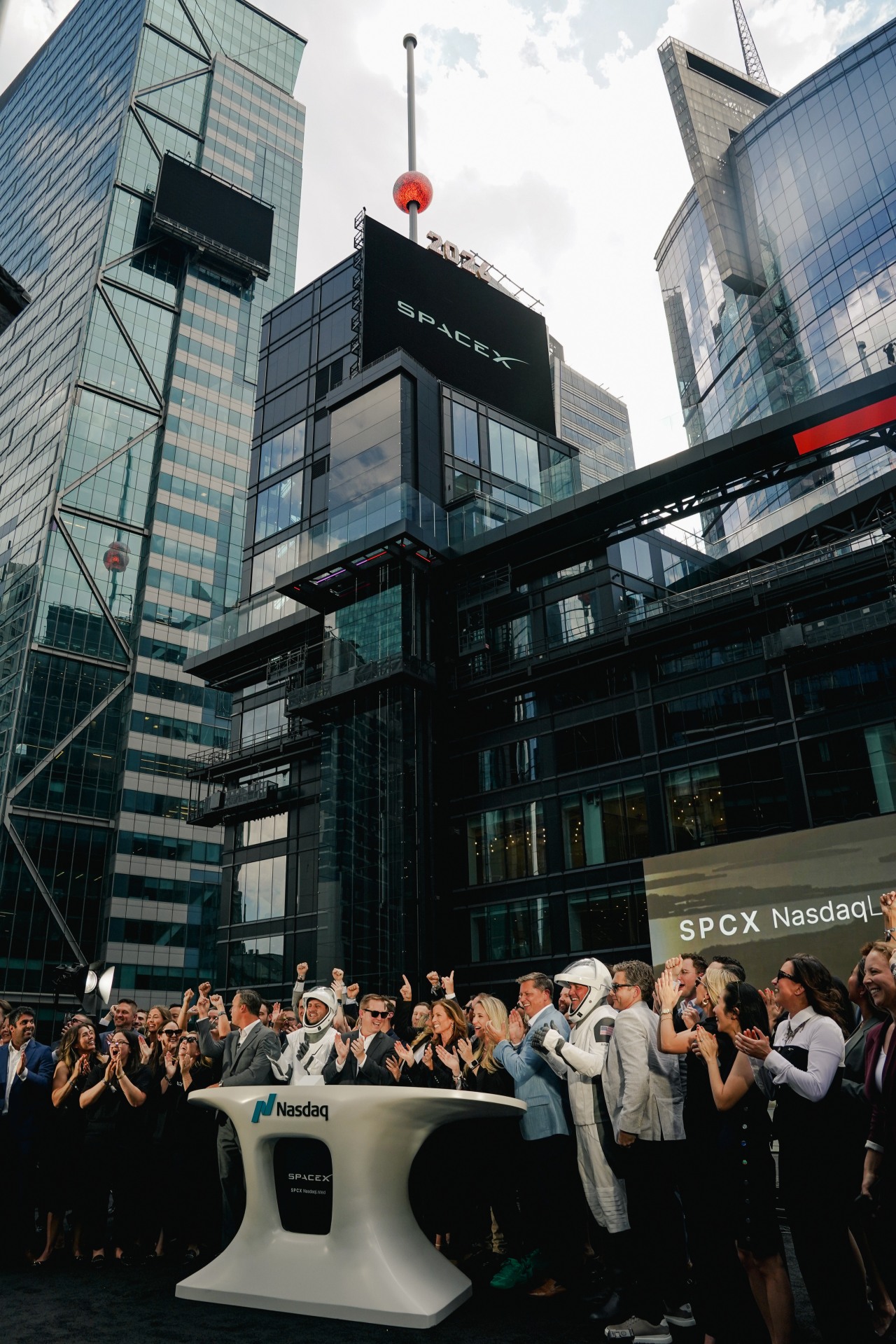
When SpaceX went public on June 12, he watched the stock climb to $150.
He fielded dozens of congratulatory text messages from friends who knew about his SpaceX investment, and neighbors asked if he was going to throw a party. That night, he went out to dinner at a local Thai restaurant with his wife. He recalled wishing he’d invested even more.
He began to worry the following week, when he said he couldn’t access Late Stage’s investor portal, which he had done regularly in the past. When it came back online, he said his Late Stage account said for the first time that his SpaceX holdings were sold on Dec. 31, 2024. He learned that the friend who had introduced him to Late Stage was getting similar messages in his account.
Rupireddy called Late Stage’s main line dozens of times, but he said no one answered. On June 23, he wrote to Late Stage’s operations email address asking for clarification, noting that the updated message raised urgent questions. He added Diana Bartolata, an administrator at a New Jersey accounting firm that handled Late Stage’s tax forms, to the email chain, which was reviewed by the Journal.
That same day he received a response from Bartolata. The message was short and asked for patience, and it promised Rupireddy the firm was conducting “a comprehensive review.”
“Once our review is complete, we will reach out to you with an update and advise whether any revisions are required. We anticipate providing further information by late August,” the message said.
Rupireddy responded shortly after. His tone remained polite, but he was panicking.
“Waiting until late August for a review is insufficient when these ‘corrections’ suggest a fundamental failure in reporting or disclosure,” he wrote.
He received a reply from Late Stage’s main email address, named “operations,” that was short. It informed Rupireddy that Bartolata couldn’t address issues on Late Stage’s portal since the accounting firm she worked for only did tax form reporting.
Bartolata didn’t respond to requests for comment.
“The portal is under maintenance as the earlier fix has a glitch. An email will be sent out once completed and back online,” the email said, which wasn’t signed.
Rupireddy once again asked for confirmation that he remained a holder of 2,500 SpaceX shares. His 2025 tax document and his account portal in May had listed 500 shares, just before SpaceX underwent a 5-1 stock split, resulting, by Rupireddy’s account, in 2,500 shares at the time of the IPO. He also wanted confirmation “that no unauthorized sale, transfer, or distribution has occurred.”
There was no response. Three days later, Late Stage’s operations email sent a note saying the portal would be back up and working later that day.
When Rupireddy logged on, his account showed he no longer held any SpaceX shares but that his prior investment had resulted in $45,450 in his account, which he could claim.
Rupireddy felt his stomach drop. He again asked via email for an explanation.
Late Stage wrote that it had sent an email to Rupireddy on Sept. 23, 2024, “indicating that block of SpaceX was sold.”
The new information revealed yet another discrepancy—when his portal first started saying a sale had taken place, it gave the date as Dec. 31, 2024.
The new email blamed a recent SEC investigation into Late Stage for why its portal had been “incorrectly reporting since 2024” that he still held the position. The email didn’t explain why such an investigation would affect the portal.
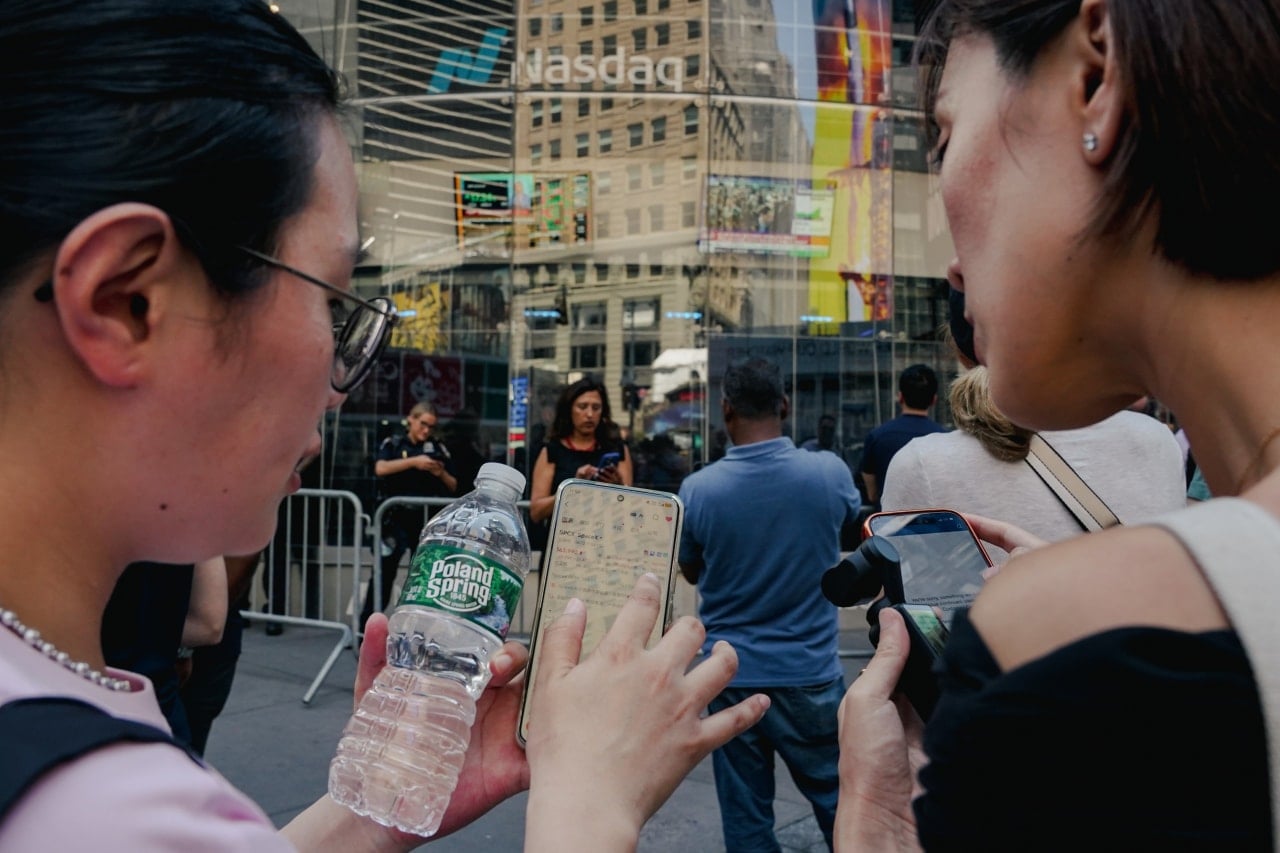
Rupireddy searched his spam, junk and trash email folders. He said he never received any communication from Late Stage about a sale in his stake. He hadn’t received any proceeds and his tax documents sent to him by Late Stage’s accounting firm in 2024 and 2025, viewed by the Journal, said he still held the position.
He said that in his previous investments with Late Stage, including in SoFi, he did receive the shares of companies after their IPOs, though he ultimately sold them with only small or no returns after fees.
A typical SPV fund buys shares of one pre-IPO company and sells stakes, or “interests,” in the fund to investors. The funds hold on to those shares after the company’s IPO until the so-called lockup period ends, when early investors are allowed to sell their stakes. At that point, the funds will either distribute the physical shares of the company to the SPV investors, or will sell the shares and distribute the cash.
Since the underlying investors don’t physically own the shares ahead of the IPO, buying stakes in an SPV is a trust exercise. Investors must trust in the fund managers to distribute the shares—or cash—promptly.
“Ultimately if you’re investing, you want to make sure you own what you think you own,” said Jared Fine, a partner in Davis Polk’s capital markets practice. “At the end of the day, like anything in life, it comes down to, do you trust your counterparty or with whom you’re doing business.”
SpaceX shares fell more than 13% Wednesday after it reported its first quarterly earnings as a public company. Now at around $108, the stock is well below its $135 IPO price, meaning people who had to wait until the rocket company’s stock-market debut to purchase shares are in the red on their investment.
This partly explains the race to buy pre-IPO stock—investors who access shares early can get in at a lower price, allowing for gains even if a stock stumbles post-IPO.
It’s still a risky bet. Investors who scoop up shares before a company’s IPO face lockup rules and can’t sell for a period of time, often several months. For investments in SPVs, high fees and volatile early trading by newly public companies could wipe out many of those gains.
Coming IPOs
Late Stage was founded in 2015 and marketed itself to individual investors as a way to access hot tech companies before they went public. The firm advertised that it only made money once a company’s shares went public. Rupireddy thought the fund’s SpaceX shares wouldn’t be sold until after the IPO.
This March, three Late Stage executives pleaded guilty to charges of defrauding investors. Federal prosecutors said Raymond John Pirrello, Jr., Joseph Passalaqua and Robert Cassino lied to investors about hidden markups and fees. They are awaiting sentencing, facing a maximum of 20 to 45 years in prison. Passalaqua’s lawyer said the issue of the pre-IPO shares wasn’t part of his case. The other executives’ lawyers didn’t immediately respond to a request for comment.
Separately, an ongoing class-action lawsuit alleges that Late Stage and Capital Truth added hidden markup fees for pre-IPO shares.
Rupireddy said he doesn’t want to claim the funds in his account because he believes he is owed more. He and other investors have asked a court to block any sale of the SpaceX shares, because they fear that would limit their ability to access the money they believe they are owed.
SPVs with exposure to other potentially blockbuster IPOs have drawn attention. Anthropic, which is expected to launch its IPO this fall, recently rattled investors in SPVs tied to its stock. The artificial-intelligence company in May updated a notice on its website saying it wouldn’t recognize sales of Anthropic stock that haven’t been approved by its board, and called out several online platforms that resell interests both directly and indirectly through SPVs.
At least two brokerages are still sending emails and text messages, reviewed by the Journal, to prospective investors offering access to Anthropic’s stock via SPVs.
Write to Corrie Driebusch at corrie.driebusch@wsj.com


