After a series of acrimonious sessions and hostility between the government and Opposition benches, Parliament authorities and functionaries are said to be mulling ways to check the use of posters and curb disruptions that have taken a toll on the productivity of both Houses. HT reported on Thursday that during the interactions of two parliamentarians with a key functionary, concerns were raised over the increasing use of placards and members rushing to the well of the Upper House. This discussion
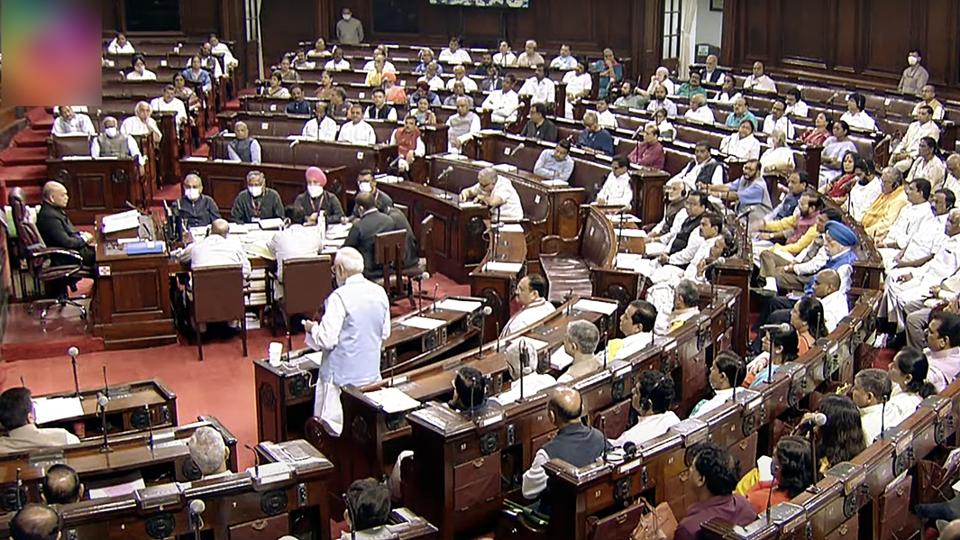
After a series of acrimonious sessions and hostility between the government and Opposition benches, Parliament authorities and functionaries are said to be mulling ways to check the use of posters and curb disruptions that have taken a toll on the productivity of both Houses. HT reported on Thursday that during the interactions of two parliamentarians with a key functionary, concerns were raised over the increasing use of placards and members rushing to the well of the Upper House. This discussion led to the idea of a new code of conduct being created for both Houses.
In principle, a code of conduct is a welcome idea. In recent decades, Parliament’s primary functions — scrutiny of draft laws and discussion of key issues — have come under stress as more and more bills are passed with little discussion. But care will need to be taken that the new rules don’t have unintended consequences (like the anti-defection law, which tethered lawmakers to their parties and ended the possibility of any member breaking ranks on key issues) and continue to encourage a free exchange of ideas. If the code of conduct can create space for informed discussion and make members desist from turning the House into a political battleground, it will be good for the health of India’s democracy.
At the root of the dysfunction in Parliament is plunging levels of trust between the government and Opposition and structural infirmities, exacerbated by an aggressive executive and a cornered Opposition. Therefore, a code of conduct agreed upon by parties is a good first step but all parliamentarians and stakeholders will have to work to remove deep-set impediments to a vibrant parliamentary process.
One Subscription.
Get 360° coverage—from daily headlines
to 100 year archives.
Archives
HT App & Website