The first thing that strikes a new visitor to the capital of Manipur, Imphal, is that there are hardly any billboards or advertisements on the city’s walls. This — though a rudimentary one — is a handy indicator that shows that the state’s economy is in a deep freeze. This had been the case for years now. The static state of the economy, along with lack of good educational and health facilities, employment opportunities, infrastructure and the deep social divide between the tribals and the non-tribals, makes the state fertile ground for regular episodes of social flare-ups and insurgency. Take, for example, the latest violence, which led to the death of eight people in Churachandpur, the headquarters of the tribal Churachandpur district, dominated by the Kuki tribe but is also home to Paiteis, Zomis and Hmars.
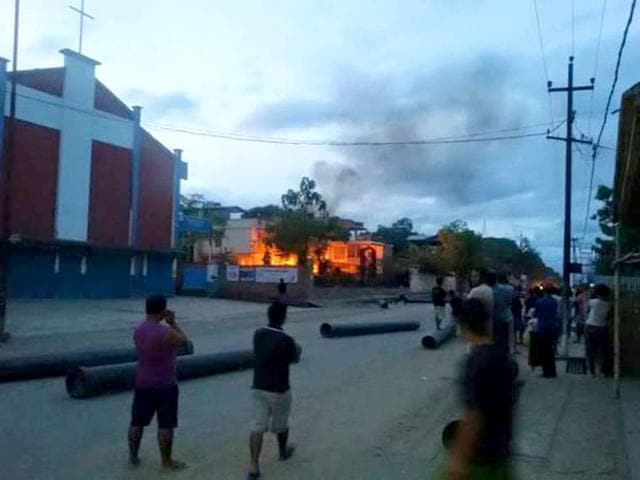
The key reason behind the violence was the fear of the tribals that a new bill — the Manipur Land Revenue and Land Reforms (Seventh Amendment) Bill, 2015 — will allow non-tribals to acquire land in the Hill districts, which are protected by Article 371C of the Constitution. This violence has its origin in the Inner Line Permit controversy, which singed the state for three months and which was again over the Meiteis’ demand to stop outsiders from buying land in the state.
This agitation, the tribals feared, was a Meitei plan to get Scheduled Tribe status, which would make tribal privileges meaningless. In Manipur, tribals have traditionally felt marginalised by the Meiteis, who have an iron grip on the fertile Valley and its businesses, have a strong hold in the administration, and have 40 seats in the Assembly — double the number of MLAs from the Hills.
The agitation and violence in Manipur have local overtones, but then it is no different from a land agitation in Haryana or a reservation protest in Gujarat or Rajasthan. Put all these on a broad canvas and the picture is not too rosy: Social tensions are on the rise because everyone is trying to ensure their share in an ever-shrinking pie of economic opportunities.
{{/usCountry}}The agitation and violence in Manipur have local overtones, but then it is no different from a land agitation in Haryana or a reservation protest in Gujarat or Rajasthan. Put all these on a broad canvas and the picture is not too rosy: Social tensions are on the rise because everyone is trying to ensure their share in an ever-shrinking pie of economic opportunities.
{{/usCountry}}