After 68 days, India opens up today. While each phase of the lockdown was accompanied with a set of relaxations, the government’s decision to frame the period between June 1 and June 30 as Unlock 1.0 is symbolic. It represents a psychological leap. From being locked in and being prohibited to engage in a range of activities, Indian citizens will now be allowed to resume their everyday lives, with limited restrictions and while remaining careful.
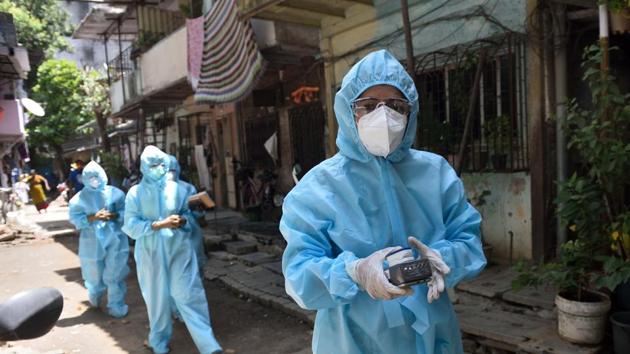
India went into a national lockdown when it had about 500 cases of coronavirus disease (Covid-19). As the country opens up, over 5,000 people have died of the disease, and the number of cases is steadily creeping up to 200,000. Opening up, then, may seem counter-intuitive. After all, with more cases, shouldn’t people stay home? But this view ignores both science and economics. It is clear that a majority of people who get infected are either asymptomatic, or have mild-to-moderate symptoms, and can recover with care and precautions. The fact that India’s death rate at 2.8% is lower than the global fatality rate of over 6% is also encouraging. And the fact that the recovery rate is steadily increasing also shows the limits of the disease. This, of course, should not lead to complacency or any sort. But science gives enough evidence to show that infections need not necessarily translate into deaths. The second reason why opening up is essential is, of course, the economy. In 2019-2020, which only took into account seven days of the lockdown, India’s GDP grew only at 4.2%. The lockdown has crippled economic activity. There is now an emerging consensus that the economy will, in this fiscal year, contract. This will make businesses unviable, increase unemployment, slash purchasing power, reduce demand, and possibly push millions back into poverty. The humanitarian crisis with the exodus of migrant workers is the most symbolic manifestation of the economic situation.
So both science and economics dictate India should open up. But as it does, there will be more cases. Governments have used the lockdown to ramp up testing, production of masks and personal protective equipment; and create dedicated Covid-19 hospitals. But both the State and citizens will have additional responsibilities as activities resume. For its part, governments will have to deploy all their energy in increasing the health infrastructure even more to prepare for a surge in cases. Citizens, too, will have to exercise great responsibility. The pandemic is not over — in fact, it has not even peaked in India. Get out when essential, maintain social distancing, wear masks. They must remember that their lives, and the lives of all others around them, are at stake. The opening up demands more vigilance from the government and responsibility from citizens.
{{/usCountry}}So both science and economics dictate India should open up. But as it does, there will be more cases. Governments have used the lockdown to ramp up testing, production of masks and personal protective equipment; and create dedicated Covid-19 hospitals. But both the State and citizens will have additional responsibilities as activities resume. For its part, governments will have to deploy all their energy in increasing the health infrastructure even more to prepare for a surge in cases. Citizens, too, will have to exercise great responsibility. The pandemic is not over — in fact, it has not even peaked in India. Get out when essential, maintain social distancing, wear masks. They must remember that their lives, and the lives of all others around them, are at stake. The opening up demands more vigilance from the government and responsibility from citizens.
{{/usCountry}}