Islamabad and Rawalpindi are in churn – the former due to the topsy-turvy political fortunes of Imran Khan, and the latter over the impending retirement of the all-powerful army chief Qamar Bajwa. Mr Khan, who was unceremoniously ousted as prime minister (PM) after his former benefactors in the army turned on him, has garnered significant public support at an extraordinary speed, and despite the temporary setback of disqualification by the country’s election commission – it was reversed by the Islamabad
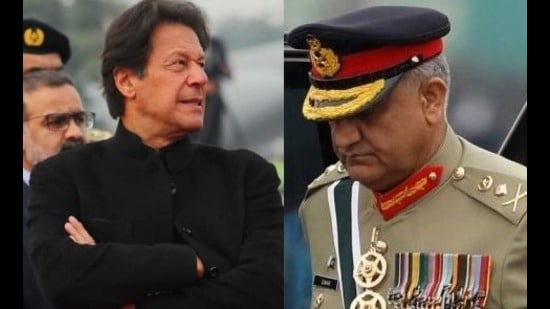
Islamabad and Rawalpindi are in churn – the former due to the topsy-turvy political fortunes of Imran Khan, and the latter over the impending retirement of the all-powerful army chief Qamar Bajwa. Mr Khan, who was unceremoniously ousted as prime minister (PM) after his former benefactors in the army turned on him, has garnered significant public support at an extraordinary speed, and despite the temporary setback of disqualification by the country’s election commission – it was reversed by the Islamabad high court days later – appears set to emerge as the principal challenger to the current ruling coalition led by Pakistan Muslim League (Nawaz) and Pakistani Peoples Party. He has just announced a long march to Lahore that will set off later this week; his action is reminiscent of the large Opposition rallies that mobilised public opinion against his then regime last year and it is clear that he has successfully managed to corral the deep anti-American sentiment among sections of the public into a viable political platform. The Shehbaz Sharif government, besieged by a crumbling economy and skyrocketing inflation, is visibly under pressure, especially after a raft of byelection reverses.
Elections in Pakistan are due next year, and just like every such exercise since the country’s independence, the army will play a decisive role in picking the victor. But with Mr Bajwa – who first backed and ensured the victory of Mr Khan in the 2018 polls and then turned against him after the then PM made an abortive attempt to meddle in the selection of the next army chief – retiring by the end of November, the stance of the powerful institution will be decided by his successor. Whether the army continues to tolerate Mr Khan’s tactic of whipping up anti-military sentiment and remains steadfast in its backing of the beleaguered government will determine the course of the country’s politics in the run up to the next general election.
All this uncertainty doesn’t augur well for the citizens of a country under piles of foreign debt, struggling to manage the debilitating impact of the climate crisis and spikes in prices. India also will not be thrilled at the prospect of a protracted political mess in its neighbourhood, especially at a time its principal adversary, China, is busy consolidating power. Long-festering structural problems in Pakistan are slowly pushing the country towards greater chaos. It will be a restive winter in Islamabad and Rawalpindi. New Delhi must be alert.
One Subscription.
Get 360° coverage—from daily headlines
to 100 year archives.
Archives
HT App & Website