The election for the next President of India heralds the next round of the political battle between the government and the Opposition. At one level, despite the symbolic importance of the position and the prestige associated with it, the outcome of the exercise is largely predictable. In the electoral college – which comprises parliamentarians and members of state assemblies whose votes are weighed in accordance with the strengths of the population they represent – the National Democratic Alliance (NDA) begins
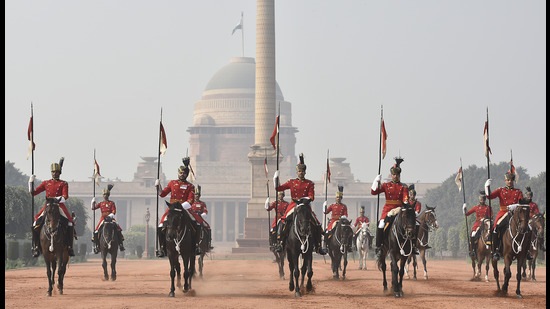
The election for the next President of India heralds the next round of the political battle between the government and the Opposition. At one level, despite the symbolic importance of the position and the prestige associated with it, the outcome of the exercise is largely predictable. In the electoral college – which comprises parliamentarians and members of state assemblies whose votes are weighed in accordance with the strengths of the population they represent – the National Democratic Alliance (NDA) begins with a decisive numerical and psychological edge. Numerical, because it is within striking distance of the majority mark and a number of regional parties are likely to back with the ruling coalition (as they have done while passing key pieces of legislation in the past) that almost certainly ensures that its nominee will be the next occupant of Rashtrapati Bhavan. And psychological because of its astute manoeuvres in the recently concluded Rajya Sabha elections that helped it effectively snatch three extra seats and leave the Opposition dispirited on its own turf.
Yet, there are two big unknowns in this election. From the government’s side, it will be interesting to see the kind of political messaging the NDA prefers to send through its nominee. In 2017, the Bharatiya Janata Party signalled to India’s 200 million Scheduled Castes that it was not inimical to their interests by nominating the country’s second Dalit president, Ram Nath Kovind. The ruling coalition is certain to use this platform, the biggest until the 2024 general election, to underline its political preferences. And from the Opposition’s side, it will be interesting to see if there is consensus on a candidate, and whether the Congress – despite having the largest chunk of votes in the bloc – continues to act as the fulcrum of the camp or whether its diminishing appeal even among other political parties hurts its ability to push its preferences through. In the interplay of these dynamics, and their eventual culmination, we will get the first glimpse of where the next general election is headed.
One Subscription.
Get 360° coverage—from daily headlines
to 100 year archives.
Archives
HT App & Website