Nearly three decades ago, India liberalised its economy after a severe balance-of-payments crisis. The country ended its “licence raj” and has pushed a growth agenda since to unleash the potential of various sectors of the economy, barring one — agriculture. Three bills in Parliament are the first attempt to unshackle the sector. These are the Farmers Produce Trade and Commerce (Promotion and Facilitation) Bill, 2020, The Farmers (Empowerment and Protection) Agreement on Price Assurance and Farm Services Bill, 2020, and the Essential Commodities (Amendment) Bill 2020. The first two were passed on Thursday in the Lower House.
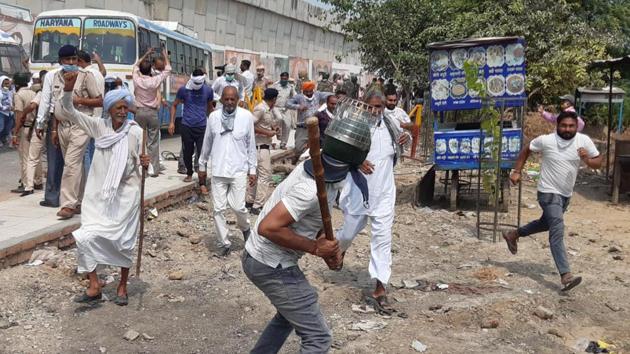
Together, these laws seek to liberalise farm trade, enable modern supply chains, allow agribusinesses and farmers to engage with one another more confidently, break interlocked markets and create seamless commodities trade. Ideologically-motiv-ated farm activism and entrenched rural elite interests have created a fear among farmers, which in turn is leading to a political backlash — as seen in Akali Dal’s decision to have its sole Cabinet minister in the National Democratic Alliance government resign — on a “corporate takeover” of agriculture. But the reality is that farmers have always dealt with food buyers, only in grossly inefficient forms. Governments have long been forced to raise inefficient input subsidies over the years, which, in turn, have turned the tap off for new investment in agriculture. This has had the effect of choking off farm growth and slowing poverty reduction.
Indian farmers have battled poor returns because the terms of trade have shifted away from farmers. They pay way more than they receive. The three bills will distinctly attack inefficiencies. The bill allowing freer inter-state and intra-state trade rightly ends licence raj in agricultural trade. The contract farming legislation will create an environment where agribusinesses can invest in cultivation without farmers being worried about prices or adverse effects on their land titles. The legislation to use the draconian Essential Commodities Act more sparingly, only when inflation rises beyond a pre-defined threshold, will make India a reliable supplier of agri-exports. But at the same time, the government ought to have agreed to the Opposition’s demand to send the bills to select committees for greater scrutiny of the reforms. This would have reassured agitating farmers, satisfied critics and made regulatory oversight more robust.
{{/usCountry}}Indian farmers have battled poor returns because the terms of trade have shifted away from farmers. They pay way more than they receive. The three bills will distinctly attack inefficiencies. The bill allowing freer inter-state and intra-state trade rightly ends licence raj in agricultural trade. The contract farming legislation will create an environment where agribusinesses can invest in cultivation without farmers being worried about prices or adverse effects on their land titles. The legislation to use the draconian Essential Commodities Act more sparingly, only when inflation rises beyond a pre-defined threshold, will make India a reliable supplier of agri-exports. But at the same time, the government ought to have agreed to the Opposition’s demand to send the bills to select committees for greater scrutiny of the reforms. This would have reassured agitating farmers, satisfied critics and made regulatory oversight more robust.
{{/usCountry}}