It is not surprising but nevertheless deeply worrying that more Border Security Force (BSF) personnel die from mental illness or lifestyle diseases than in the line of duty. These are the findings of a study conducted by the medical directorate of the BSF. The paramilitary force operates under conditions of extreme stress which explains why in 2016, there were 71 reported cases of cardiac arrest in the BSF as opposed to 18 deaths due to cross border firing.
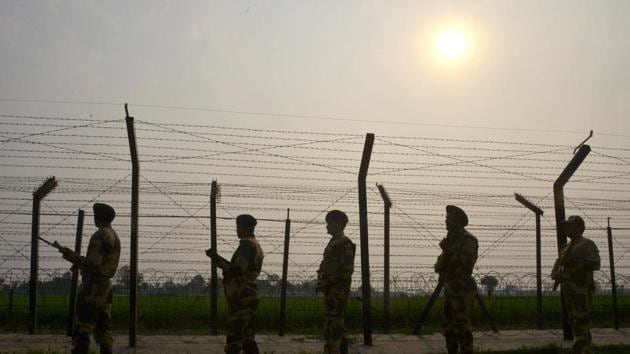
The BSF guards the 2,289-km long border with Pakistan which sees hostilities throughout the year and the 4,096-km long border with Bangladesh. There are many inbuilt problems to the job. The personnel are witness to and have to carry out acts of severe violence. They are marooned in posts where there is no family support and they suffer from stress about the families left back at home. There are no regulated working hours and their diets are often unhealthy and mealtimes irregular.
There are rigid hierarchies and few safety valves for personnel who have grievances. One main problem is the uncertainty of leave, which has often led to suicides and killing of fellow officers. While the physical rigours and their effects are visible, the mental traumas are less so. There are regulation annual checks but not much attention has been paid to the mental wellbeing of the BSF men and the effects of their often harsh environment on them.
Given that they carry out a dangerous and vital job, efforts must now be made to increase the number of trained mental health workers who should be attached to different battalions. Regular mental health evaluations have to take place and treatment offered. Many mental problems are swept under the carpet due to lack of awareness of the seriousness of these or by the affected for fear of reprisals in the form of loss of seniority or jobs.
{{/usCountry}}Given that they carry out a dangerous and vital job, efforts must now be made to increase the number of trained mental health workers who should be attached to different battalions. Regular mental health evaluations have to take place and treatment offered. Many mental problems are swept under the carpet due to lack of awareness of the seriousness of these or by the affected for fear of reprisals in the form of loss of seniority or jobs.
{{/usCountry}}The specialists have to be trained in the nature of the disorders that arise from the work that the BSF does and counselling should be available at all times and with no stigma attached. In addition, the personnel should not be forced to do what they may consider demeaning and menial jobs for their superiors as is the case in the army. A military or paramilitary soldier signs up for the job of defending the country, not to carry out errands for superiors and their families.
Timely medical interventions, regular physical and mental evaluations and a more accepting and enabling working environment could mitigate the ill effects of such a high-stress job. The BSF director would do well to act immediately on the disturbing findings of the study.