India’s transition into a Republic on January 26, 1950, stoked a new debate on merit, privilege and efficiency, especially against the backdrop of the Constitution institutionalising a robust affirmative action programme for the most marginalised castes and tribespeople. As the decades rolled on, the debate only became more polemical, with opponents arguing that reservations dilute proficiency and are a suboptimal way to select candidates for jobs and educational institutions, and proponents saying that social justice and equal opportunity are important
India’s transition into a Republic on January 26, 1950, stoked a new debate on merit, privilege and efficiency, especially against the backdrop of the Constitution institutionalising a robust affirmative action programme for the most marginalised castes and tribespeople. As the decades rolled on, the debate only became more polemical, with opponents arguing that reservations dilute proficiency and are a suboptimal way to select candidates for jobs and educational institutions, and proponents saying that social justice and equal opportunity are important goals to preserve democratic ideals and for progress.
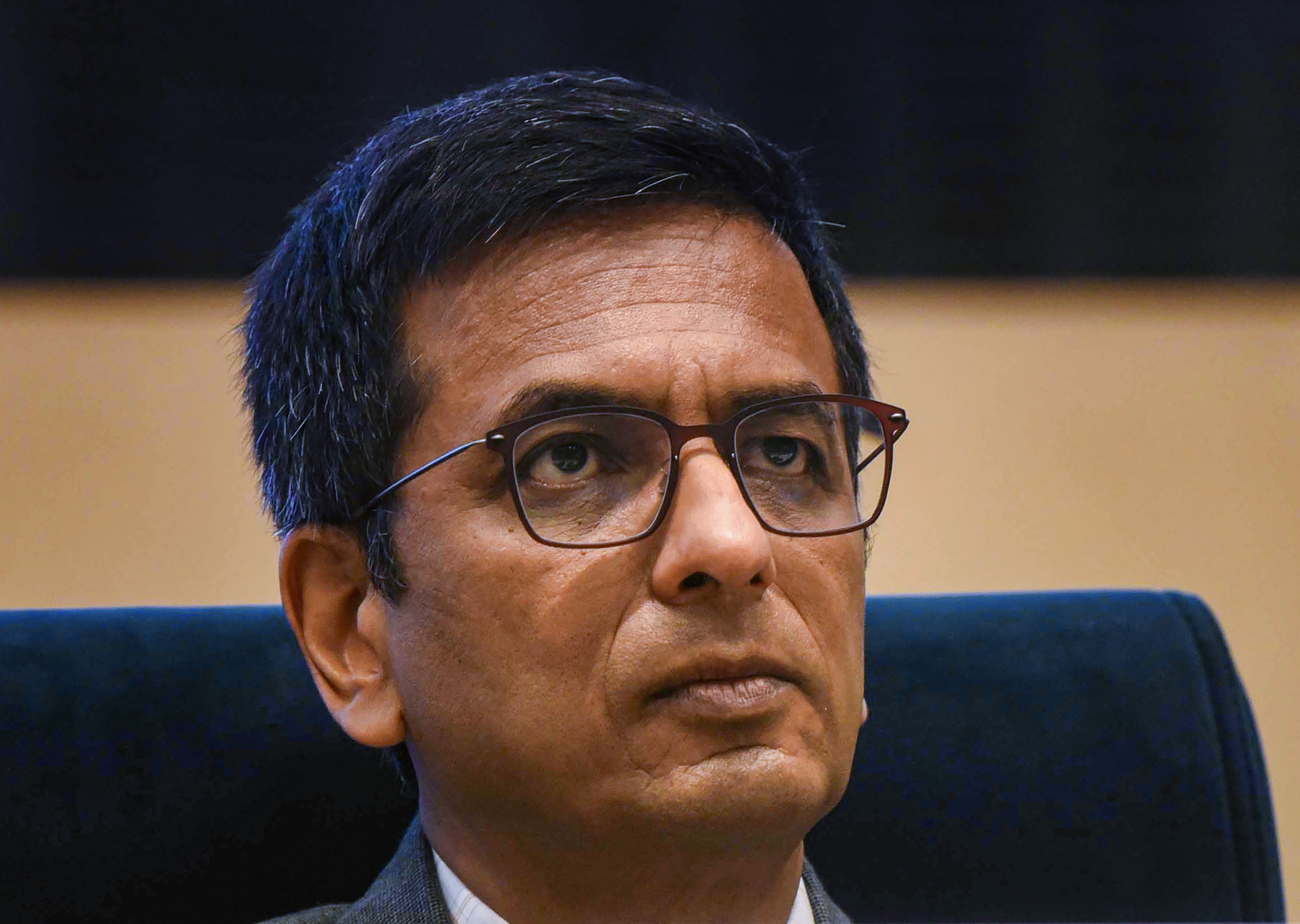
But there’s a third way to approach this debate, one underlined earlier this week by Supreme Court judge, justice DY Chandrachud. Delivering a lecture at the Indian Institute of Technology-Delhi, he stressed that merit needed to be redefined, and that merit and upliftment should not be seen in dichotomy. In his view, merit encapsulated not just a candidate’s test scores, but also their potential, background and effort.
The judge is right. The opposition between merit and upliftment or efficiency is false. Social science researchers have proven over the last three decades that there is no causal link between hiring diverse candidates and a fall in efficiency. A 2014 paper on the Indian Railways found that a more diverse workforce sometimes boosted productivity. States that have more expansive affirmative action schemes do no worse, and sometimes do better than others. Merit should no longer be seen in individual-centric terms, but be socially contextualised. Diversity and plurality are important goals for a nation that wishes to lift people out of ignorance and prejudice. Being inclusive is a net social good.
One Subscription.
Get 360° coverage—from daily headlines
to 100 year archives.
Archives
HT App & Website