
 E-Paper



The politics of regional pride
Politicians should refrain from promoting xenophobic narratives in campaigns

 Prefer HTon Google


The Bharatiya Janata Party’s leadership has made Odia ashmita (pride) the focus of its electoral campaign in Odisha, which is voting also to elect a new legislative assembly. In the party’s crosshairs is VK Pandian, chief aide and possible successor of chief minister (CM) Naveen Patnaik. From Prime Minister Narendra Modi to Union home minister Amit Shah to Assam CM Himanta Biswa Sarma to former MP Baijayant Panda, a clutch of BJP leaders have targeted Pandian’s ethnic origins to press the claim that their party wants to uphold Odia pride, which, according to them, will be tarnished if a non-Odia becomes the CM. Some, including Modi, have also hinted darkly at a conspiracy behind Patnaik’s ill-health.
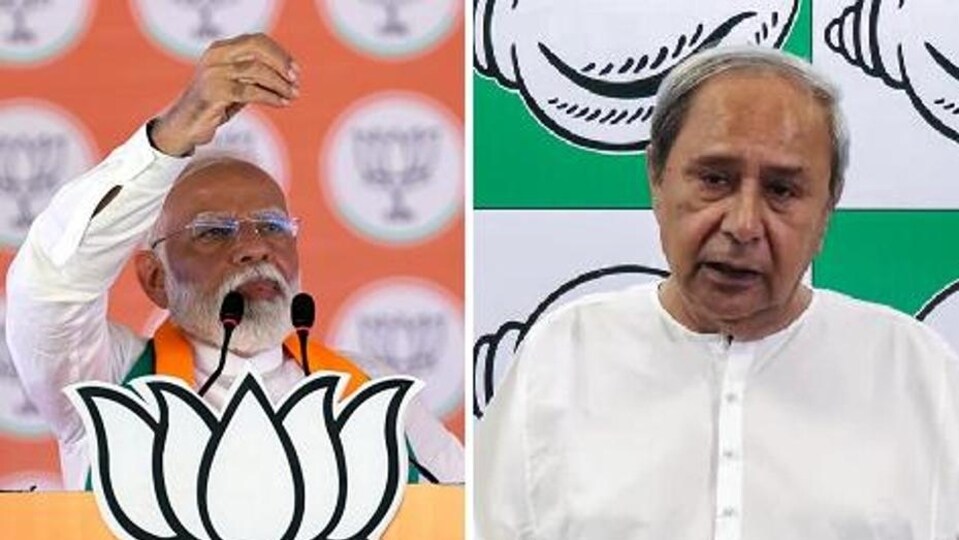
It is understandable, even if a tad ironic, that the BJP, which speaks for unitarian politics, has picked Odia pride as a campaign theme, just as it is that conspiracy theories about the power behind the throne do the rounds during a bitter election campaign. Regional pride is a powerful strand in electoral politics, particularly in states formed around linguistic identity. Politics in Odisha has always had a regional element though Odia subnationalism has never been its pivot.
The problem is that the BJP’s framing of Odia pride borders on xenophobia, with leaders targeting the Tamil origins of Pandian, an Indian Administrative Service officer who served in Odisha for over two decades before taking voluntary retirement. Speaking at a public meeting on Tuesday, Shah said, “Naveen babu is trying to impose a Tamil CM on the people”. Earlier, Modi told a rally that a handful of “corrupt persons” had taken control of Patnaik’s office and residence and claimed that the missing key of Puri Jagannath temple’s treasure trove had been sent to Tamil Nadu. It predictably drew an angry response from politicians in Tamil Nadu.
These dog whistles don’t augur well for national integration or help nurture an inclusive national identity. Linguistic subnationalism has coexisted within the rubric of a broader Indian identity. States have been mostly welcoming of talent and labour, with demand regulating the flow rather than notions of ethnicity or regionalism. Tamil Nadu, for instance, has even seen politicians with non-Tamil origins rise to the office of CM by espousing Dravidian identity politics. Here linguistic pride was reimagined to privilege how a person relates to the people or the land she seeks to serve over where she was born. In fact, this is how politics has evolved in modern societies. Our political leaders must refrain from pushing narratives that encourage xenophobia. They may see it as a mere electoral tactic, but such narratives may linger and damage the national fabric.


