It’s not a new concept, really. Men have been condescending to explain things to women who already know the things being explained to them for several centuries now; but a wonderful word capturing the essence of the phenomenon has only existed for about a decade. This word is ‘mansplaining’. Men — sometimes well-meaning, and very often not so much — tend to take explaining things, especially to women, very seriously.
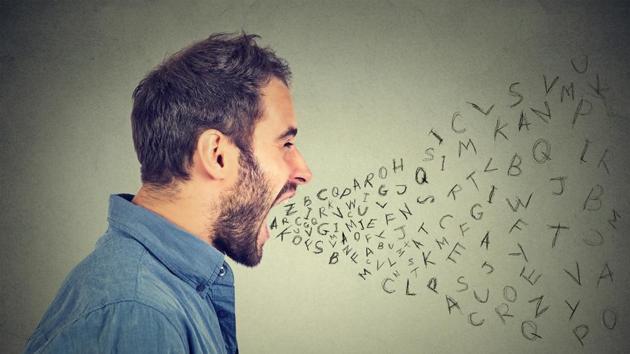
The term ‘mansplain’ came about in discussion forums reacting to the American writer Rebecca Solnit’s widely read 2008 essay titled, ‘Men Explain Things to Me: Facts Didn’t Get in Their Way’. In it, she recounts the experience of meeting a man at a party who tried to explain to her that she should read a particular book, without stopping to hear — several times — that it had been her, in fact, who had written it. This phenomenon, and indeed, this term has found so much traction, and become so popular in recent times, mostly because of how familiar the occurrence is. Too many women have found themselves — in meetings at the workplace, in parties among friends, and even at home — at the receiving end of mansplaining. Men often speak over better qualified women, interrupting repeatedly; and they tend to explain things to women, even when they are not required to, even when the women they are addressing are the better-informed of the two.
The problem is not the explanation itself. It is the underlying assumption that a woman being addressed must obviously not know more about the subject than the man. That the man, on the sole basis of his gender, must obviously, know better. Anecdotal evidence across social media and personal interactions reveal that this is a geographically, economically, linguistically agnostic phenomenon, seen across countries, economic strata, and language.
{{/usCountry}}The problem is not the explanation itself. It is the underlying assumption that a woman being addressed must obviously not know more about the subject than the man. That the man, on the sole basis of his gender, must obviously, know better. Anecdotal evidence across social media and personal interactions reveal that this is a geographically, economically, linguistically agnostic phenomenon, seen across countries, economic strata, and language.
{{/usCountry}}All that is asked is that men become a bit more self-aware. It is entirely possible that centuries of living in a patriarchal culture has caused men to be unaware of this quirk of behaviour; that their cultural conditioning makes it hard for them to overcome this sort of cognitive bias. But a start must be made. Explaining things is a good thing, to be sure. But perhaps it would help if those explaining would learn to pause in their expositions to check if this explanation is, at all, required. Perhaps the coming year is the one in which this unignorable problem of mansplaining finally begins to fade away — along with the heteropatriarchy.