In 2000, the Atal Bihari Vajpayee-led government took a major political decision to create three new states — Uttarakhand was carved out from Uttar Pradesh, Chhattisgarh from Madhya Pradesh, and Jharkhand from Bihar. Among the three, Uttarakhand and Jharkhand have been plagued by political instability for much of their political existence as separate units. Jharkhand has seen 11 chief ministers (with the same individual returning to office multiple times in the case of Shibu Soren, Arjun Munda and Hemant Soren), and the last Raghubar Das government was the first to complete its five-year term. Uttarakhand has had 11 chief ministers (with BC Khanduri and Harish Rawat returning to office), and only one of them (ND Tiwari) had a full five-year term. It is in this backdrop of larger instability, both due to intra-party and inter-party issues, in some of India’s younger, smaller states, that Uttarakhand will now have a new chief minister, Tirath Singh Rawat.
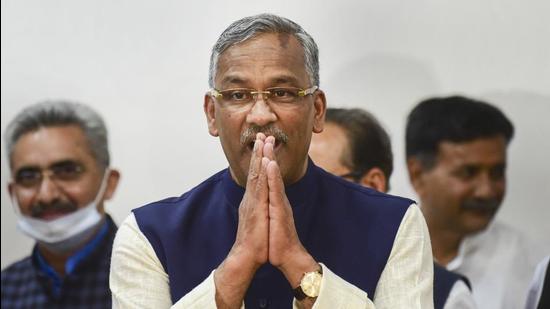
But Mr Rawat’s ascension, a result of the Bharatiya Janata Party (BJP) central leadership asking Trivendra Singh Rawat to put in his papers after internal discontent, cannot just be explained as yet another instance of the political churn in states which are still in the process of institutionalising their party systems and political culture. It is significant, for it says something about the BJP. Under Narendra Modi and Amit Shah, the party’s track record suggests that once the central leadership selects a leader as CM, the BJP stays the course. Be it Manohar Lal Khattar or Yogi Adityanath or Raghubar Das or Devendra Fadnavis, the BJP did not let external criticism dictate a shift in the leader. In the current case though, the BJP leadership gave in — primarily because the criticism against Trivendra Singh Rawat was emanating from within BJP’s own legislative ranks and from the larger ideological fraternity. The fact that elections are due next year added to the sense of urgency.
The episode also throws up an interesting facet of political leadership in democracies — the criticism against the outgoing CM was that he relied excessively on bureaucrats and ignored political inputs. In some ways, this is good, for it insulates the administration from day-to-day political pressures brought on by legislators. But political voices can’t be ignored either in a democracy. This is the balance a successful politician-administrator has to strike.
{{/usCountry}}The episode also throws up an interesting facet of political leadership in democracies — the criticism against the outgoing CM was that he relied excessively on bureaucrats and ignored political inputs. In some ways, this is good, for it insulates the administration from day-to-day political pressures brought on by legislators. But political voices can’t be ignored either in a democracy. This is the balance a successful politician-administrator has to strike.
{{/usCountry}}